

What Is White Tea? Definition, Processing, and Origin
Author: Xu Jiahua, Nationally Certified Senior Tea Appraiser
White tea is a traditional tea made from the buds and young leaves of the Camellia sinensis plant. It is processed mainly through withering and drying, with little rolling or intensive oxidation.
The name “white tea” refers to the fine silver-white hairs that cover many young tea buds. These hairs are especially visible on teas such as Bai Hao Yin Zhen, or Silver Needle.
White tea is traditionally associated with Fujian Province in China, particularly Fuding and Zhenghe. Production has since expanded to regions such as Yunnan and other tea-growing countries, creating additional regional styles.
For an overview of the six major tea categories, read Types of Tea: Different Varieties and Their Unique Flavors.
What Is White Tea?
White tea is one of the least intensively processed true teas. After harvesting, the buds and leaves are allowed to wither and are then dried, without the heavy rolling or prolonged oxidation used for many other tea categories.
This simple-looking process still requires careful control of temperature, humidity, airflow, and drying. These factors affect the tea’s final aroma, appearance, body, and aging potential.
Why Is It Called White Tea?
White tea gets its name from the fine pale hairs, known as trichomes, that cover young tea buds and leaves. These hairs create the silver-white appearance associated with teas such as Silver Needle.
The brewed tea itself is not white. Its liquor may range from pale yellow to deeper gold or amber, depending on the grade, age, and processing style.
Where Did White Tea Originate?
Chinese white tea is most closely associated with Fujian Province, especially the Fuding and Zhenghe production areas. These regions developed distinctive white tea cultivars and processing traditions that later became associated with teas such as Silver Needle and White Peony.
Commercial production expanded over time, and white tea is now also produced in Yunnan and several countries outside China. However, Fujian remains central to the historical identity of traditional Chinese white tea.
Main types of white tea
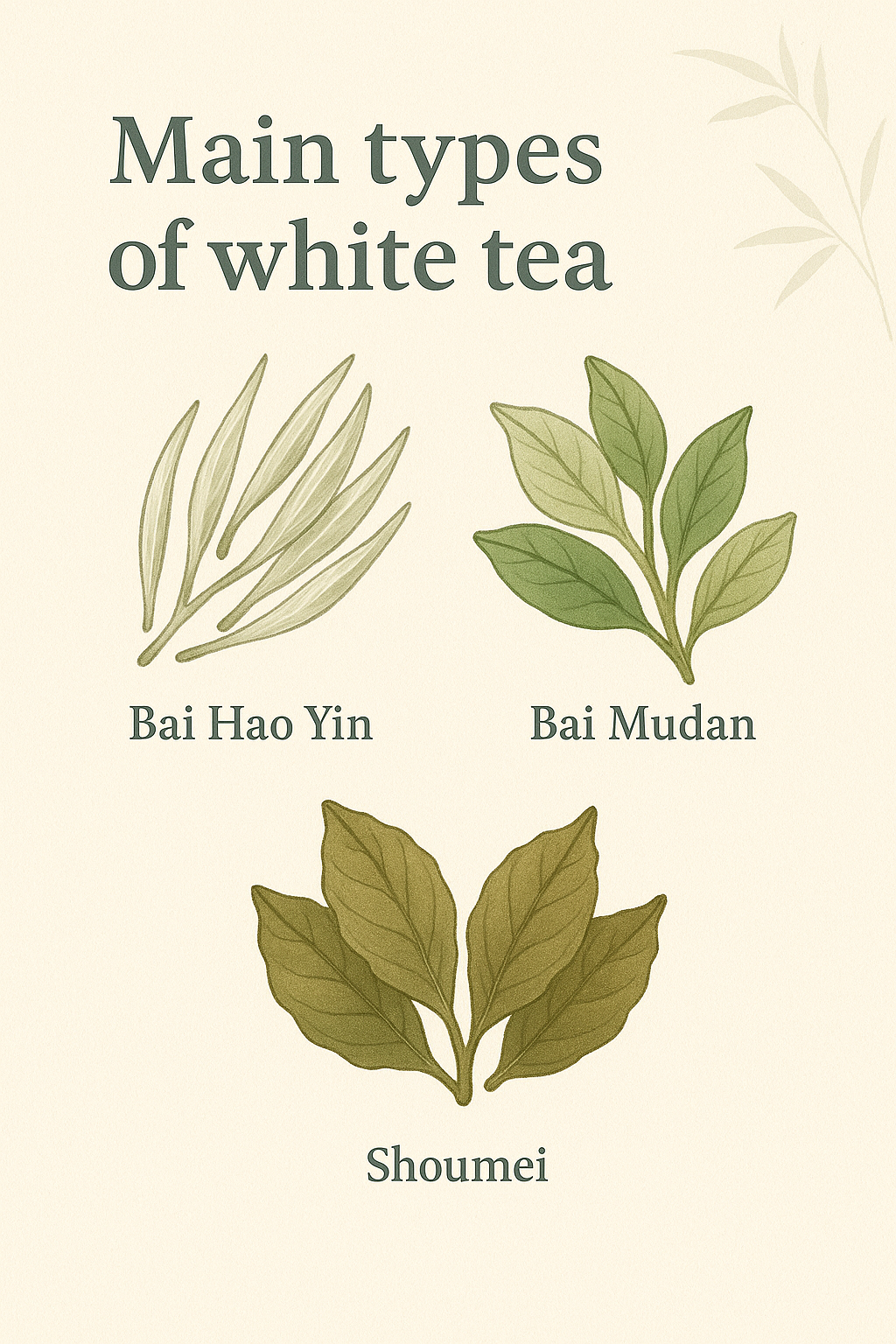
White tea includes bud-only grades such as Silver Needle, bud-and-leaf teas such as White Peony, and more mature leaf grades such as Gong Mei and Shou Mei. Each type differs in harvesting standard, appearance, body, aroma, and aging potential.
Read our complete guide to Types of White Tea for a detailed comparison of Silver Needle, White Peony, Gong Mei, Shou Mei, and regional white tea styles.
Where Is White Tea Produced Today?
Fujian remains the traditional center of Chinese white tea production, particularly Fuding and Zhenghe. Yunnan white tea often uses different plant material and processing traditions, while smaller quantities are also produced in regions such as Darjeeling and Nepal.
For a deeper regional comparison, read Fuding White Tea vs Yunnan White Tea.
What Does White Tea Taste Like?
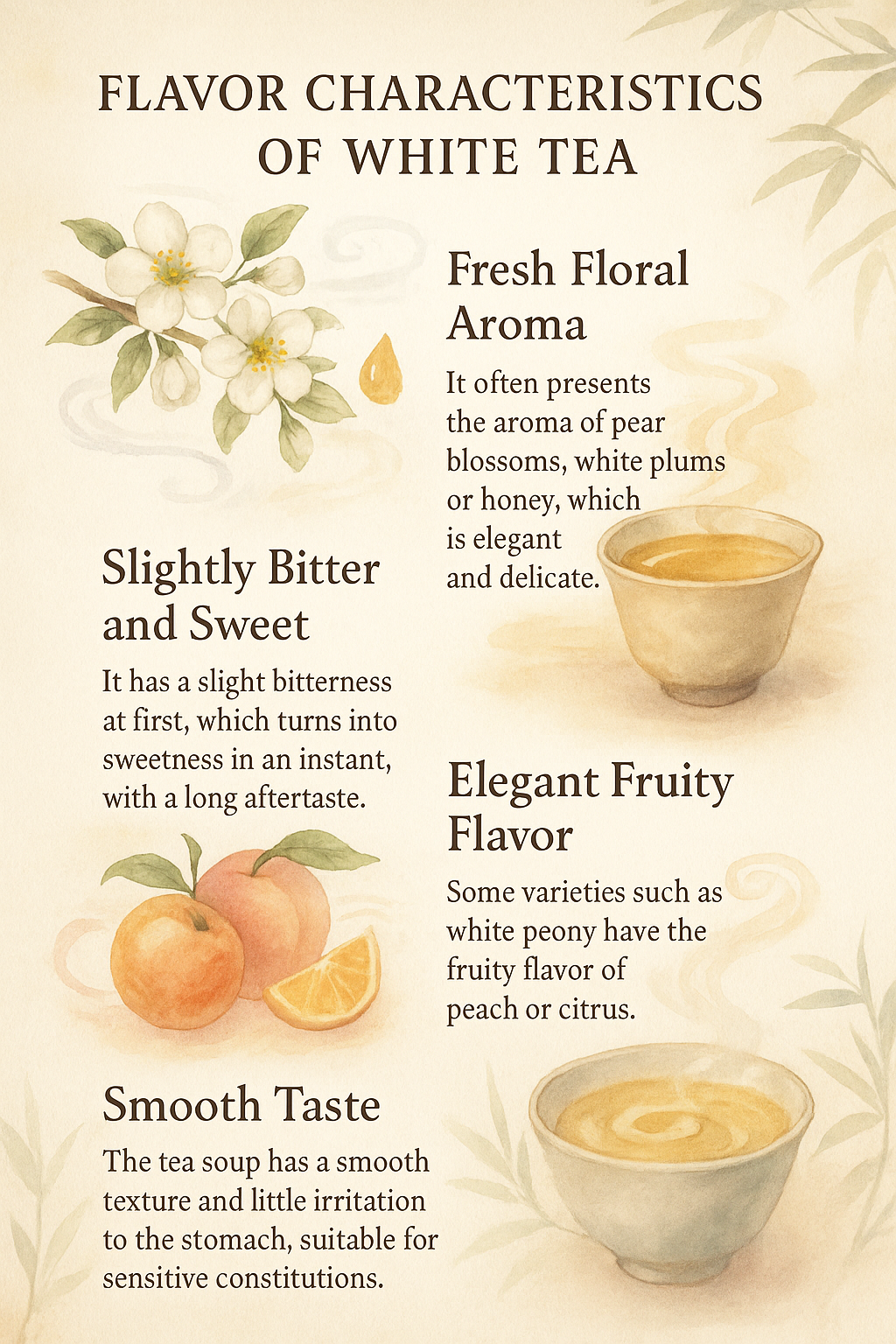
White tea is generally known for a smooth, lightly sweet, and delicately aromatic character. Its exact flavor varies according to grade, origin, cultivar, age, and processing.
Read What Does White Tea Taste Like? for a detailed guide to floral, honeyed, fruity, woody, and aged flavor profiles.
What I Look for in a Good White Tea
In my own tasting experience, I judge white tea less by how strong the aroma is and more by how clean and natural the whole cup feels. I look for clear liquor, natural sweetness, a smooth texture, and an aroma that remains present after swallowing.
I personally enjoy White Peony aged for around five to eight years because it often keeps some floral freshness while developing a rounder and fuller body. I usually brew it in a small ceramic teapot, which gives me the balance of aroma and texture I enjoy most.
For beginners, I often suggest starting with White Peony or a three-to-five-year Shou Mei before moving into more expensive Silver Needle or much older white tea.
How Is White Tea Brewed?
White tea can be brewed using Western-style teapots, glassware, or Gongfu teaware. The ideal temperature, leaf ratio, and steeping time depend on the grade and desired flavor.
Read How to Brew White Tea for complete brewing parameters and teaware guidance.
How Should White Tea Be Stored?
White tea should generally be protected from moisture, strong odors, excessive heat, and direct light. Fresh white tea and tea intended for long-term aging may require different storage approaches.
Read How to Store White Tea for detailed storage guidance.
Does White Tea Have Potential Health Benefits?
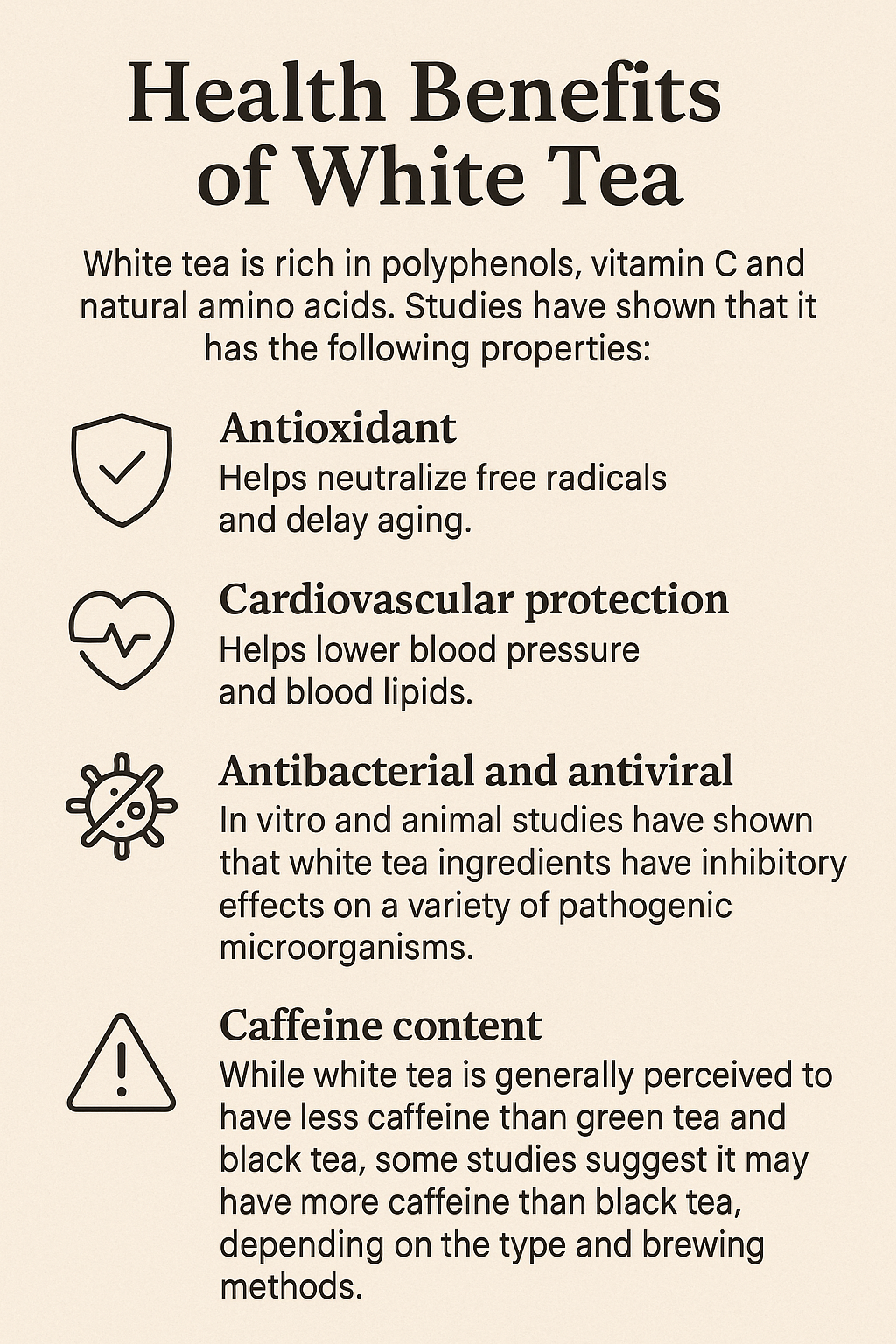
White tea contains naturally occurring tea polyphenols and other compounds that have been studied for antioxidant activity and general wellness. The evidence varies by research type, and white tea should not be treated as a medical treatment.
Read our evidence-based guide to White Tea Health Benefits for the research and its limitations.
White tea also naturally contains caffeine. See our White Tea Caffeine Guide for detailed estimates by grade and brewing method.
How Can You Explore White Tea Further?
White tea products vary by origin, grade, harvest, processing, age, and packaging. Buyers should review product information carefully rather than relying only on terms such as “premium” or “organic.”
Explore our Best White Tea guide for product recommendations and our Best White Tea Brands guide for brand comparisons.
Explore White Tea from Dofo Tea
To experience different Chinese white tea styles, explore our Fuding Old White Tea and White Peony Tea Cake.
You can also browse the wider Dofo Tea White Tea Collection.
Combined with correct brewing and storage, you can easily enjoy the most representative Chinese white tea flavor at home.
White tea is defined by its tea plant material, minimal processing, pale-haired buds, and strong historical connection to Fujian tea production. Its modern forms now include multiple grades and regional styles, but its core identity remains closely linked to withering, drying, and careful handling.
For a broader overview of white tea types, flavor, health research, caffeine, brewing, and regional differences, return to our White Tea Complete Guide.
White tea embodies purity and elegance—a gentle interpretation of the natural beauty of tea. For a more comprehensive understanding of all tea categories, as well as white tea and their distinctions, please visit our full guide,"Types of Tea: To Different Varieties and Their Unique Flavors."


