
Best Luxury Tea Brands: How to Choose Premium Tea for a Refined Experience
liujiehangAuthor: Xu Jiahua, Nationally Certified Senior Tea Appraiser
Tea is often linked to calm moments and daily rituals. Within the tea world, however, luxury tea stands apart. It reflects craftsmanship, origin, and careful production—not just taste.
People searching for the best luxury tea brands often want more than a drink. They seek quality sourcing, refined flavor, and a deeper connection to tea culture.
This guide explains what defines luxury tea, how it differs from everyday tea, and which brands are known for their quality and craftsmanship.
What Is Luxury Tea and Why Brand Quality Matters
Luxury tea refers to tea produced with higher standards of sourcing, harvesting, and processing. The leaves often come from specific tea gardens or regions known for their terroir.
In many cases, luxury tea brands focus on:
- carefully selected tea cultivars
- limited harvest seasons
- traditional processing techniques
- detailed flavor profiles
Because tea quality depends heavily on the leaf itself, the reputation of the brand becomes important. A well-established tea brand often maintains strict standards for sourcing and production, which helps ensure consistency in flavor and freshness.
What Makes a Tea Brand “Luxury”
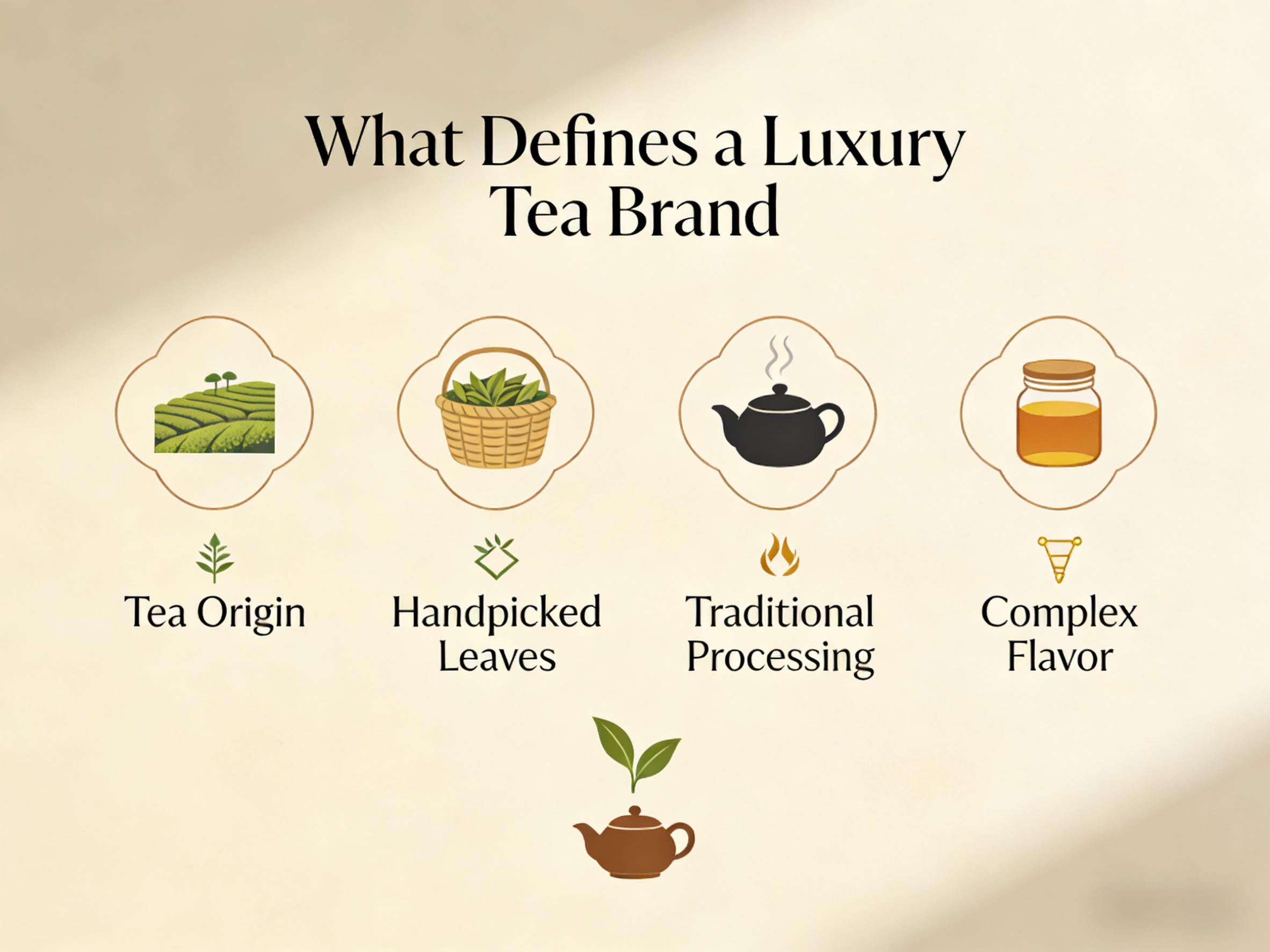
Not every premium-looking tea is truly luxury. Several factors typically distinguish luxury tea brands from everyday commercial tea.
Why Luxury Tea Feels Different from Everyday Tea
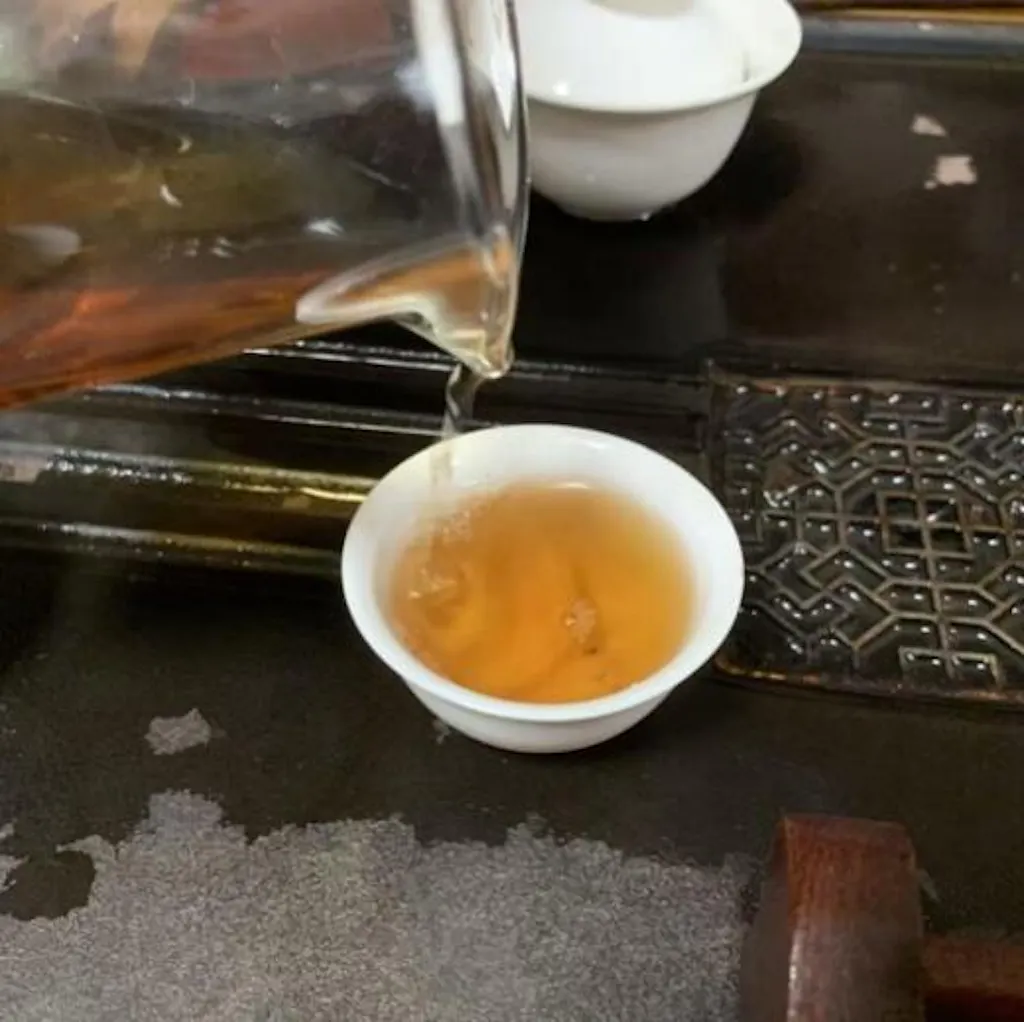
The difference often becomes clear once the tea is brewed. Luxury tea tends to deliver a more layered experience—aroma, texture, and aftertaste develop gradually.
In contrast, mass-produced tea often focuses on convenience rather than complexity.
High-end tea brands usually emphasize leaf integrity and natural flavor, rather than relying on heavy flavoring or additives.
Higher-Quality Leaves and Harvest Standards
Luxury tea often begins with better raw materials. Many premium teas are harvested during specific seasons when the leaves contain the highest concentration of aromatic compounds.
For example:
- spring harvest teas are often valued for freshness
- young tea buds tend to produce softer and sweeter flavors
- careful hand-picking helps protect leaf structure
The result is a tea that maintains clarity and balance when brewed.
More Complex Flavor Profiles
Luxury teas are known for their layered flavor.
Instead of a single dominant taste, the tea may reveal multiple notes, such as:
- floral aromas
- honey-like sweetness
- mineral or earthy undertones
- lingering aftertaste
Many of these sensory differences come from natural plant compounds such as polyphenols, which contribute both flavor and antioxidant activity.
These nuances are one reason tea enthusiasts seek out the best luxury tea brands.
Stronger Craftsmanship and Tea Heritage
Many luxury tea brands highlight traditional craftsmanship. Processing methods such as hand-rolling, controlled oxidation, or slow roasting can shape the final flavor of the tea.
Tea culture also plays a role. Regions with long tea histories—such as China, Japan, and India—have developed techniques that influence modern luxury tea production.
Its this heritage that often gives a luxury tea brand so much of its identity.
Key Factors to Look for in the Best Luxury Tea Brands
Choosing luxury tea can feel overwhelming because many brands present themselves as premium. Looking at several core factors can help identify genuine quality.
Tea Origin and Garden Reputation
The origin of tea leaves often determines their character.
Certain tea-growing regions are widely respected for their terroir, including:
- Darjeeling in India
- Uji in Japan
- Fujian and Yunnan in China
Luxury tea brands often provide transparent information about where their tea is grown.
Harvest Season and Leaf Selection
The timing of harvest affects both flavor and aroma.
Premium tea brands usually highlight details such as:
- first flush harvests
- early spring picking
- specific cultivars used in production
These details indicate greater attention to sourcing and quality control.
Processing Expertise
Processing is where raw leaves get transformed into a cup of finished tea.
Tactics like oxidation, rolling, roasting and fermentation all play a part in shaping the flavor.
Brands that invest in skilled tea masters and careful production methods often produce more consistent and refined teas.
Packaging and Presentation
Luxury tea brands also pay attention to presentation.
High-end packaging helps protect tea from light, air, and moisture, which can degrade flavor over time.
Elegant packaging may also reflect the cultural heritage of the tea, making it suitable for gifting or special occasions.
Top Luxury Tea Brands Worth Knowing
Many tea companies operate globally today, but a few brands are frequently mentioned when discussing luxury tea.
TWG Tea — Luxury Tea Experience with Global Sourcing
Founded in Singapore, TWG Tea is known for its extensive selection of teas sourced from around the world. The brand focuses on high-end retail boutiques and elegant packaging, which has helped position it as a global luxury tea name.
Mariage Frères — French Heritage Luxury Tea
The Paris-based Mariage Frères has been associated with fine tea culture since the nineteenth century. The brand combines traditional tea sourcing with distinctive French aesthetics and curated blends.
Fortnum & Mason — Classic British Luxury Tea
Fortnum & Mason is a historic British brand that's been around for years and is still going strong. They're a big part of British afternoon tea culture and supply teas all around the world.
Harney & Sons — Premium Tea with Global Influence
The American company Harney & Sons offers a wide range of loose leaf teas and blends. Its reputation comes from consistent sourcing and accessible premium teas for everyday enjoyment.
Dofo Tea — Modern Premium Tea for Calm Daily Rituals
Dofo Tea focuses on carefully sourced loose leaf teas and small-batch processing. Instead of emphasizing large collections, the brand highlights clean flavor profiles and teas that suit slower daily routines.
The goal is to make premium tea approachable while still respecting traditional tea craftsmanship.
Luxury Tea Styles Often Found in Premium Brands
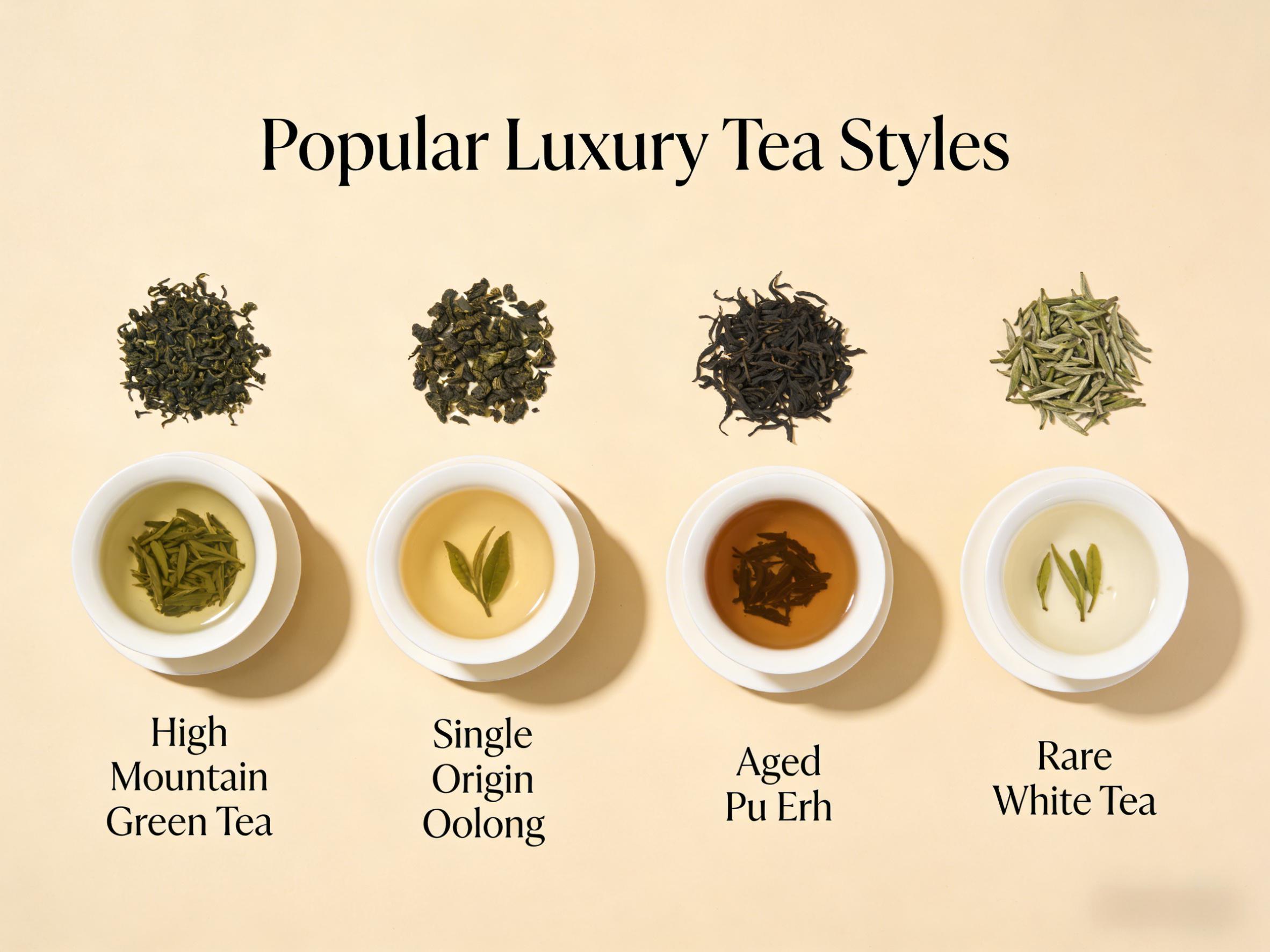
Luxury tea brands often focus on particular tea styles that showcase their expertise in sourcing.
Some common examples include:
- single-origin oolong teas
- high-mountain green teas
- aged pu erh teas
- rare white teas made from young buds
These teas are prized for their taste and also for their connection to the specific region and the production methods used.
How to Brew Luxury Tea to Preserve Its Flavor
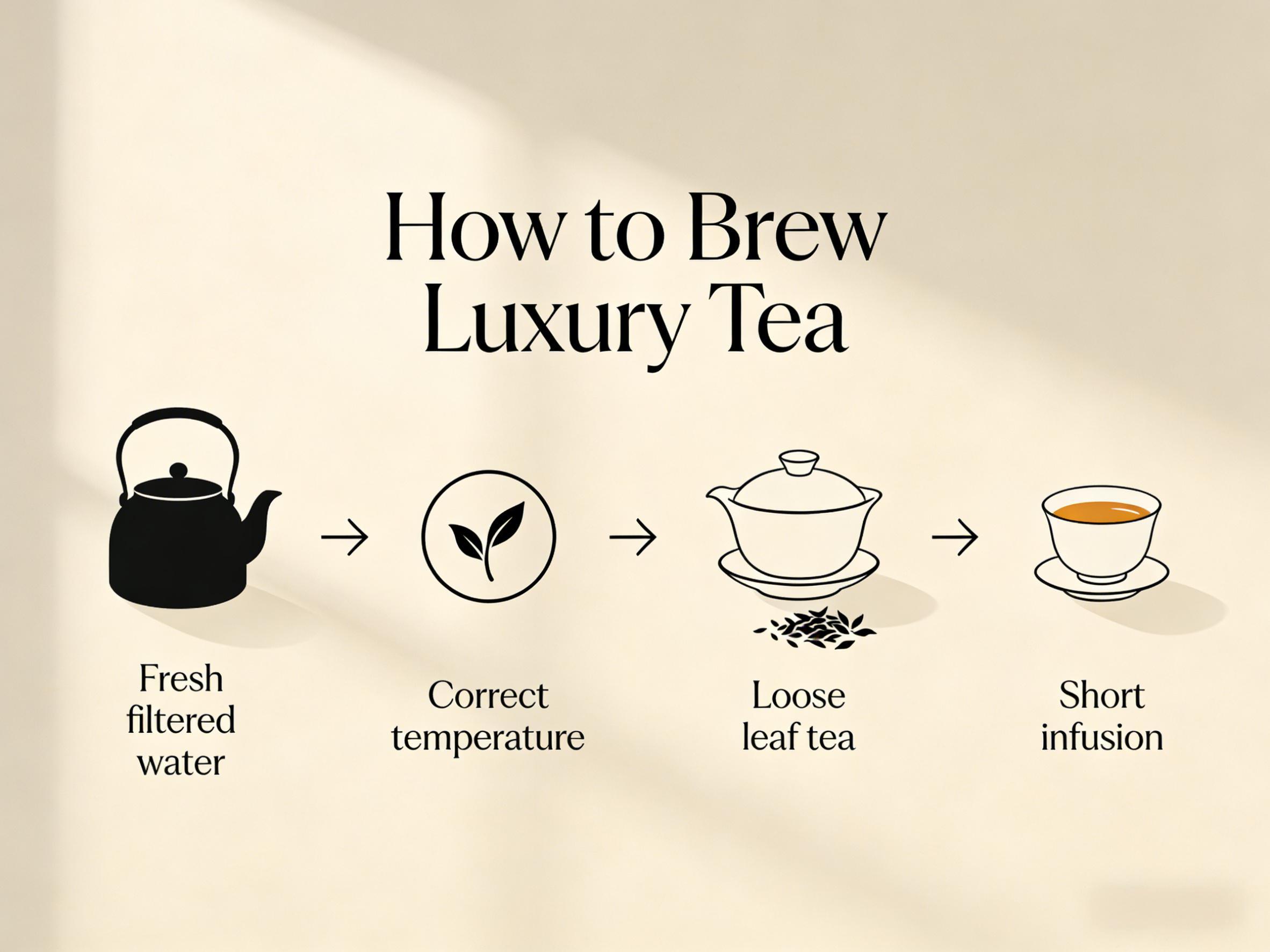
Brewing method plays an important role in appreciating premium tea.
Simple adjustments can help reveal more subtle flavors:
- Use fresh filtered water
- Adjust water temperature based on tea type
- Brew loose leaf tea in a small teapot or gaiwan
- Avoid steeping too long to prevent bitterness
Luxury teas tend to do best when brewed gently & in batches - allowing the leaves to unfurl gradually and give up their magic.
FAQ: Luxury Tea Questions People Ask
Which luxury tea brand is the best?
There is no single best brand. Different companies specialize in different styles of tea. The best choice usually depends on flavor preferences, tea type, and personal brewing habits.
What makes a tea brand luxury?
Luxury tea brands typically emphasize high-quality leaves, careful sourcing, traditional processing, and thoughtful presentation. Limited harvests and strong brand heritage also contribute to their reputation.
Are luxury teas actually better in taste?
Many tea drinkers notice greater complexity and smoother texture in premium teas. However, taste remains subjective and depends on brewing technique and personal preference.
Is loose leaf tea more common in luxury tea brands?
Yes. Many luxury brands prefer loose leaf tea because it preserves the shape of the leaf and allows better flavor extraction compared with finely ground tea bag material.
Discover a More Refined Tea Experience
Exploring luxury tea brands can open the door to a deeper appreciation of tea culture. High-quality leaves, careful craftsmanship, and thoughtful brewing all contribute to a richer tea experience.
For many people, premium tea is less about status and more about slowing down—taking time to enjoy aroma, flavor, and the quiet ritual of brewing a well-made cup of tea.