

Mi Lan Xiang Dancong Tea: Flavor, Origin, and Why It's the Most Popular Phoenix Oolong
Author: Xu Jiahua, Nationally Certified Senior Tea Appraiser
Mi Lan Xiang Dancong tea is one of the most popular Phoenix oolong varieties. It is known for its natural honey-like sweetness, orchid aroma, and smooth, balanced character.
It is often one of the first varieties beginners encounter when exploring Phoenix Dancong tea. This guide explains its origin, flavor profile, brewing methods, and how to recognize a good-quality Mi Lan Xiang.
What Is Mi Lan Xiang Dancong?
Mi Lan Xiang Dancong tea is a type of Phoenix oolong from Guangdong, China.It is known for a natural aroma that combines honey sweetness and orchid fragrance.
Name Meaning
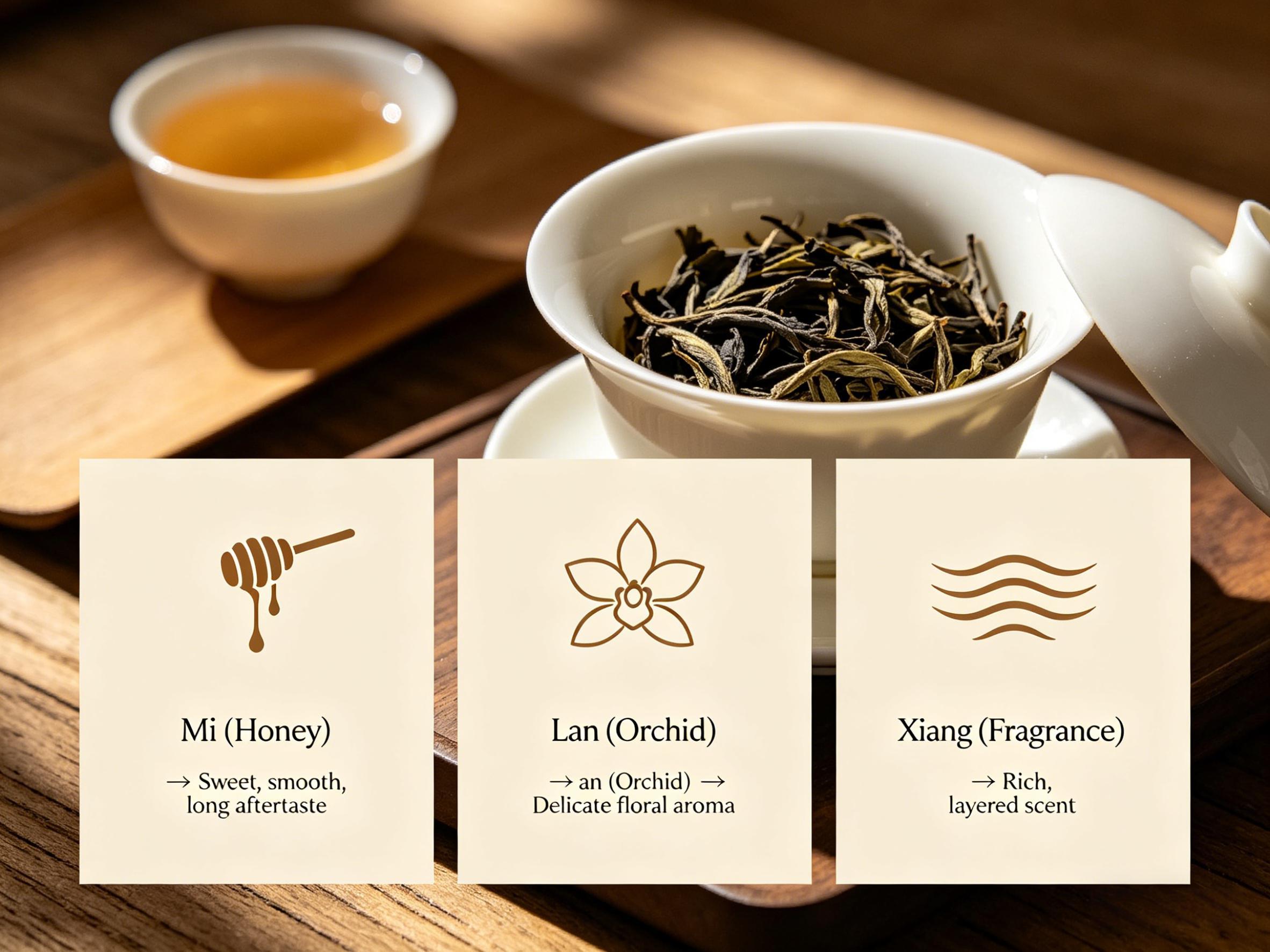
- Mi (蜜) :The tea soup has a sweet and mellow taste, a long-lasting aftertaste, and a smooth, honey-like texture.
- Lan (兰) :Describing the fragrance as delicate and lingering, like a secluded orchid in a valley, ethereal and refined.
- Xiang (香) Highlighting its high-aroma characteristics, the fragrance is rich and multi-layered.
Origin Story
The origin of Mi Lan Xiang is often linked to a local legend.
During the Qing Dynasty, tea farmers in Phoenix Mountain discovered a wild tea tree with a unique aroma.
Its leaves gave off both honey sweetness and orchid fragrance.
Farmers began picking and processing leaves from this single tree.
Over time, this led to the development of what is now known as Honey Orchid Dancong.
If you want a broader overview, you can explore types of dancong tea to understand how Mi Lan Xiang fits into the full spectrum.
The Flavor Profile of Mi Lan Xiang
Mi Lan Xiang is often described as one of the most “complete” Dancong teas.
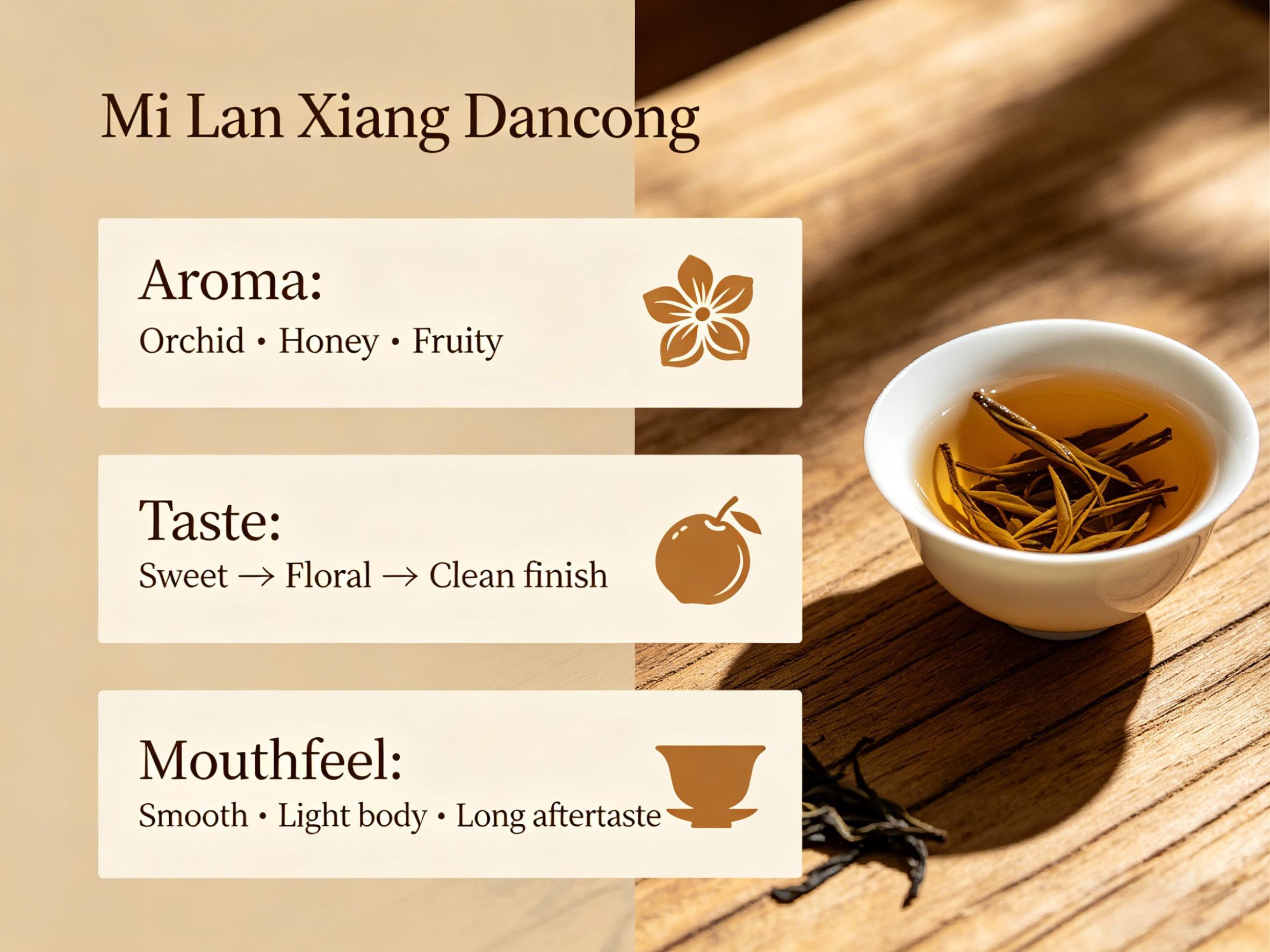
Aroma
The dry leaves release a soft floral scent.
Once brewed, the aroma becomes richer and more layered.
You may notice:
- Orchid-like floral notes
- Warm honey sweetness
- Light fruity tones in later infusions
These aromas come from natural compounds formed during oxidation and roasting.
General tea aroma chemistry research shows that volatile compounds play a key role in how we perceive flavor .
Taste
The taste is smooth and rounded.
- The first sip feels slightly sweet
- The mid-palate becomes floral
- The finish is clean with lingering fragrance
This balance makes it less sharp than some high-aroma Dancong types.
Mouthfeel
The texture is soft but structured.
- Light to medium body
- Gentle coating sensation
- Long aftertaste (hui gan)
If you want a deeper comparison, you can read what dancong tastes like to see how this profile compares across varieties.
A Personal Tasting Impression of Mi Lan Xiang Dancong
When I first taste Mi Lan Xiang Dancong, the most memorable impression is the balance between honey sweetness and floral elegance. Even before the first sip, the dry leaves release a natural fragrance that feels warm, refined, and deeply connected to the Phoenix Mountain terroir.
After brewing, the aroma gradually unfolds from a gentle honey note into a clearer orchid-like fragrance. The tea feels smooth and rounded on the palate, with a refreshing mountain character and a lingering sweetness that stays after each sip.
What makes Mi Lan Xiang special is not simply its strong aroma, but the harmony between richness and elegance. The honey fragrance never feels too heavy, and the floral notes remain clean and delicate, creating a tea experience that becomes more enjoyable through multiple infusions.
Why Mi Lan Xiang Is the Most Popular Dancong
Mi Lan Xiang sits between light and intense Dancong styles.
|
Feature |
Mi Lan Xiang |
|
Aroma |
Floral but not overwhelming |
|
Taste |
Balanced and smooth |
|
Difficulty |
Easy to brew |
|
Use |
Daily drinking + tasting |
This balance makes it more accessible than stronger varieties.
Mi Lan Xiang and Ya Shi Xiang offer noticeably different aroma styles. For a detailed side-by-side comparison, read Mi Lan Xiang vs Ya Shi Xiang.
How to Brew Mi Lan Xiang for Best Results
Brewing Mi Lan Xiang Dancong tea affects how much aroma and sweetness you experience.
This tea releases fragrance quickly, so small adjustments can change the result.
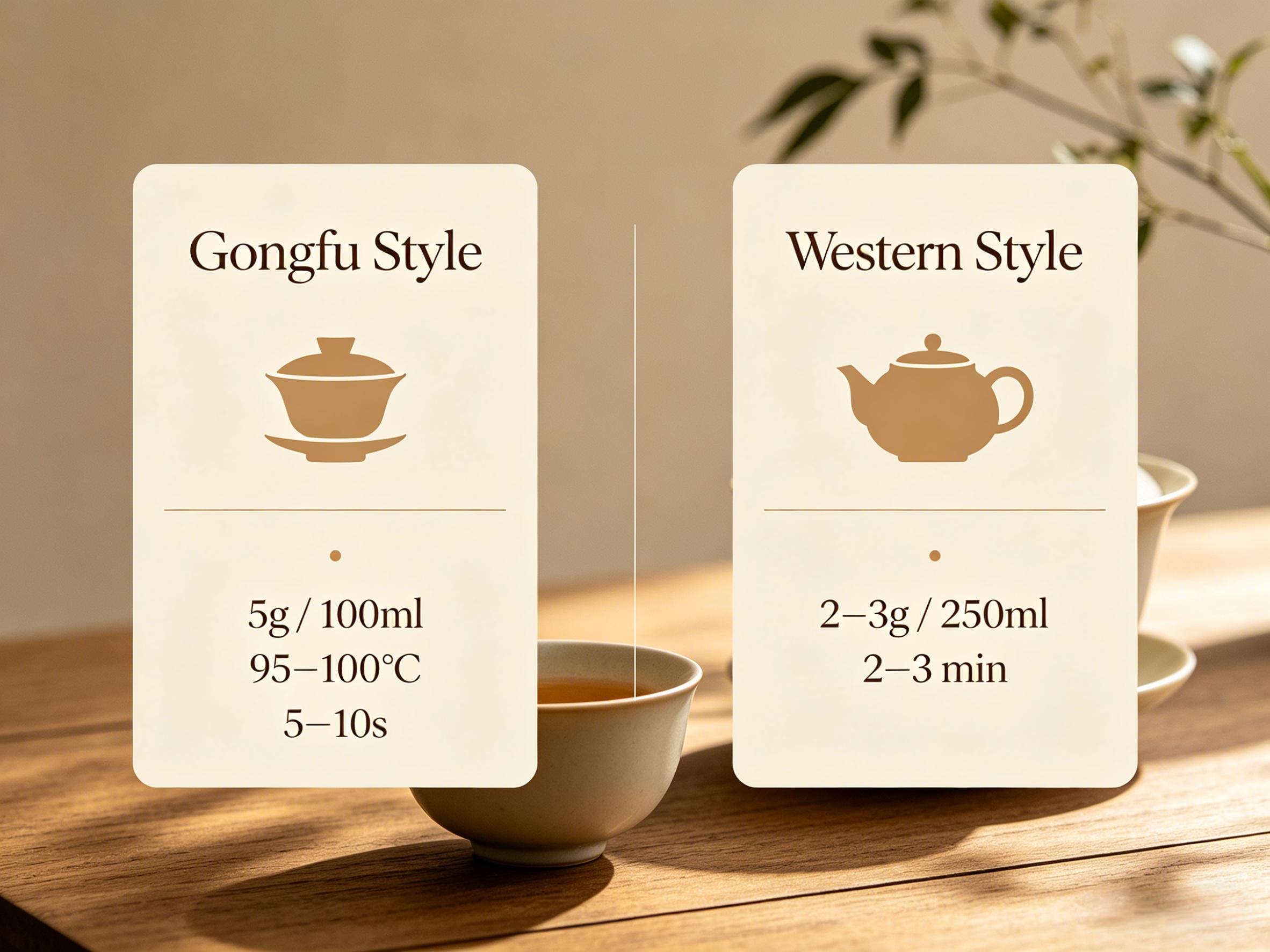
Gongfu Style
- 5g tea
- 100ml water
- 95–100°C
- 5–10 seconds
Western Style
- 2–3g tea
- 250ml water
- 2–3 minutes
For complete Dancong brewing techniques, see How to Brew Dancong Tea.
Dofo Tea's Mi Lan Xiang Offering
Dofo Tea sources Mi Lan Xiang Dancong from the Phoenix Mountain region in Guangdong, where this variety has been cultivated for generations.
The selection focuses on teas from higher-altitude gardens, where slower leaf growth helps develop more complex aroma compounds.
Sourcing and Processing
The tea is produced using traditional Dancong methods.
- Leaves are hand-harvested during the spring season
- Oxidation is carefully controlled to preserve floral notes
- A medium roast is applied to enhance sweetness without overpowering the aroma
This is what keeps the tea tasting like liquid honey and fresh orchids at the same time.
Quality Characteristics
Each batch is selected based on several key factors:
- Leaf integrity: long, twisted leaves with minimal breakage
- Aroma stability: consistent fragrance across multiple infusions
- Clarity of taste: clean finish without bitterness
In practical terms, this tea is good for between 6-8 infusions without losing any of that core flavor
Why This Matters for Daily Drinking
Many Dancong teas are highly aromatic but difficult to brew consistently.
This Mi Lan Xiang is chosen for a different reason.
It offers:
- A stable flavor across brewing styles
- A smooth texture without sharp edges
- A balance that works for both beginners and regular drinkers
If you are ready to explore authentic Phoenix Oolong, read our buy dancong tea online guide to learn how to compare origins, roast levels, product labels, prices, and seller credibility before choosing a tea.
Consider checking out a dancong tea gift set if you want to try a few more options.
Who Should Try Mi Lan Xiang First?
Mi Lan Xiang is a great choice for a few types of tea drinkers out there.
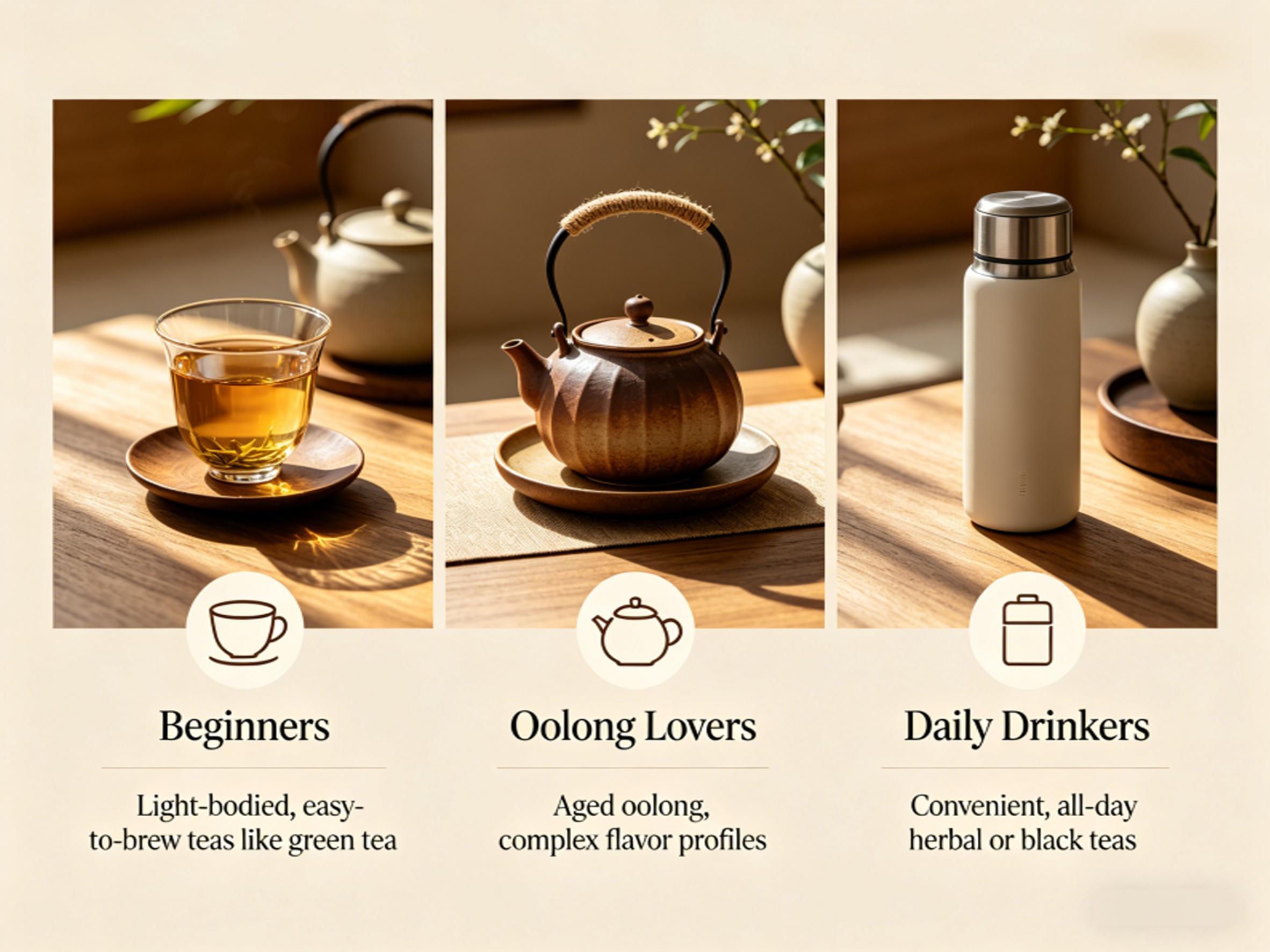
Perfect for Beginners
- The flavor is clear but not overwhelming
- Its balanced character makes it relatively forgiving for beginners.
Good for Oolong Lovers
- It's got all the complexity of a top-notch oolong
- But still has that smooth familiar base that oolong drinkers love
Suitable for Daily Drinking
- Consistent taste every time
- Comfortable balance that just feels right
If this is your first Dancong - this is probably a good place to start. It is an approachable starting point for exploring Phoenix Dancong tea.
Frequently Asked Questions
Is Mi Lan Xiang Dancong tea strong?
It is moderately strong.The aroma is noticeable, but the taste stays smooth.
Does Mi Lan Xiang taste sweet?
Yes, it often has a natural honey-like sweetness.This sweetness is subtle, not sugary.
Is Mi Lan Xiang good for beginners?
Yes.It is one of the most beginner-friendly Dancong teas.
How is it different from Ya Shi Xiang?
Mi Lan Xiang and Ya Shi Xiang have different aroma profiles, roast expressions, and drinking experiences. Read our complete comparison: Mi Lan Xiang vs Ya Shi Xiang.
Can I drink Mi Lan Xiang every day?
Yes.Many people use it as a daily tea because it is stable and not too heavy.
Does it contain caffeine?
Yes. Mi Lan Xiang naturally contains caffeine, and the amount varies with leaf quantity, water temperature, and steeping time. Learn more in our Dancong Tea Caffeine guide.


