

How to Buy Dancong Tea Online: Quality, Labels, Price, and Seller Guide
Author: Xu Jiahua, Nationally Certified Senior Tea Appraiser
Buying Dancong tea online can be difficult because aroma, leaf quality, freshness, and origin are not always easy to judge from product photos. This guide explains how to evaluate labels, pricing, seller transparency, and product details so you can make a more informed choice.
If you are new to Phoenix Oolong, start with our guide to What Is Dancong Tea?
What to Look for When Buying Dancong Online
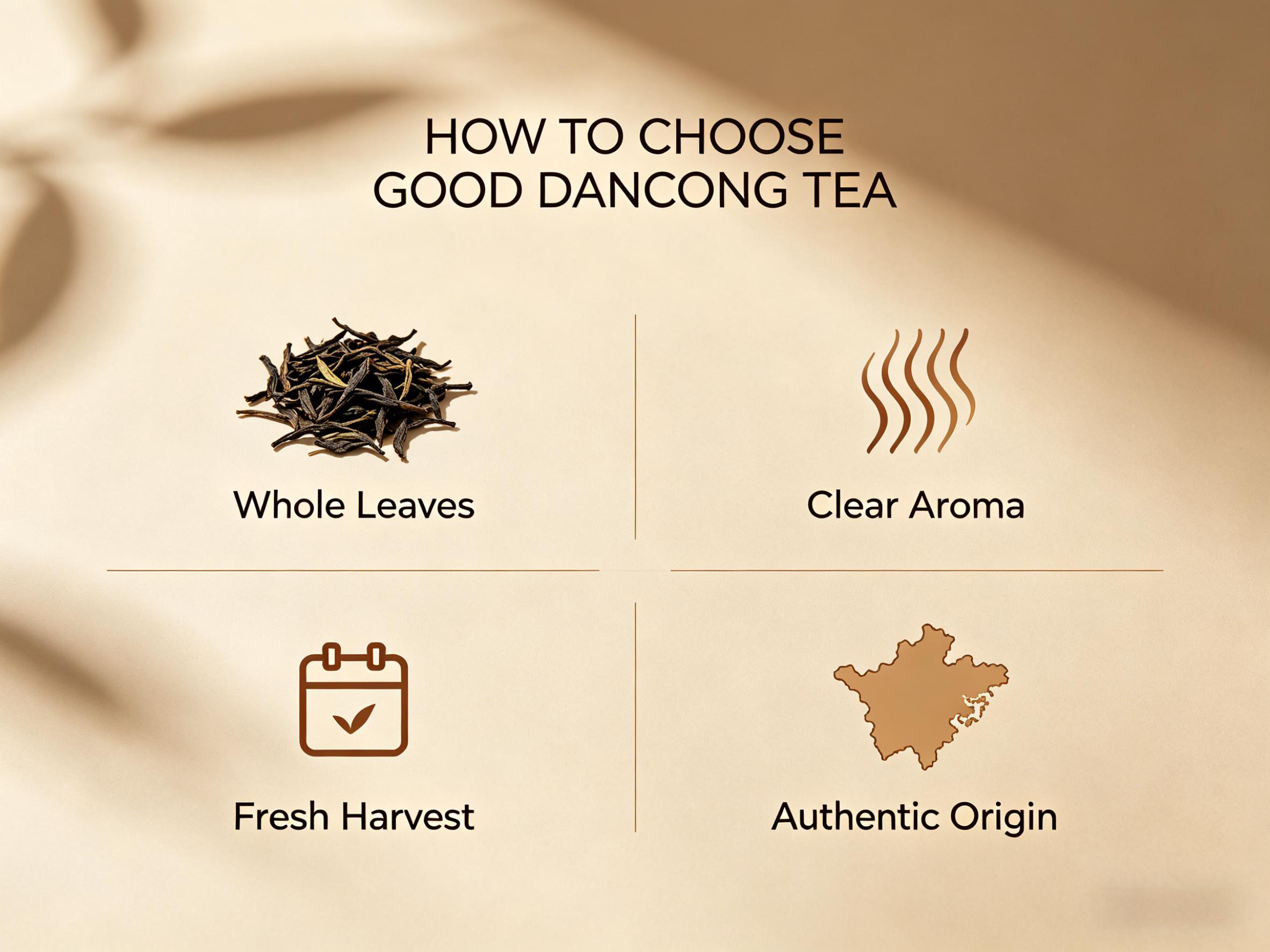
If you know what to look out for, even when buying online, you can make a more informed choice about the quality of the tea you'll get.
Quality Indicators
Experienced tea drinkers often look at leaf structure and aroma clarity.
Leaf Appearance
- Whole, twisted leaves
- Even color
- Minimal dust or broken pieces
Whole leaves usually indicate careful processing.
A high proportion of dust or broken leaves may indicate rough handling or a lower-grade product, although leaf shape can also vary by processing style.
Aroma Description
Clear and specific aroma notes are a positive sign.
For example:
- Orchid
- Honey
- Fruit
Reliable listings should describe the aroma, roast level, body, aftertaste, and overall drinking style rather than relying only on words such as “premium” or “top grade.”
Freshness Signals
Freshness has a direct impact on aroma and taste.
Check if the seller provides:
- Harvest season
- Storage method
Sellers do not always disclose every detail, but clear harvest, packaging, and storage information generally makes a listing easier to evaluate.
Dancong tea is sensitive to air and moisture.Without proper storage, the fragrance can fade quickly.
Learn how storage affects aroma and freshness in our guide to How to Store Dancong Tea.
Authenticity Signs
Authentic Dancong tea comes from the Phoenix Mountain region in Guangdong.
Look for:
- Specific origin details (village or mountain area)
- Mention of Phoenix Mountain or Chaozhou
In traditional sourcing, origin plays a key role in flavor identity.
Missing or vague origin information makes it more difficult to evaluate authenticity and quality.
My Experience Choosing Dancong Tea
In my experience selecting Phoenix Dancong tea, aroma is important, but it is not the only standard. A good Dancong should have a clean fragrance, balanced taste, and a lasting aftertaste across multiple infusions.
For beginners, I usually suggest starting with Mi Lan Xiang or Ya Shi Xiang. Mi Lan Xiang offers a smoother honey-like sweetness, while Ya Shi Xiang provides a stronger floral aroma. These two styles are a great way to understand why Phoenix Dancong is known for its distinctive fragrance.
When brewing, I prefer a porcelain gaiwan with boiling water and short infusions. This helps release Dancong’s natural aroma while keeping the tea smooth and balanced.
Understanding Dancong Tea Labels and Descriptions
Online listings often include many terms. Understanding them helps you make better decisions.
Variety Name
Names like:
- Mi Lan Xiang
- Ya Shi Xiang
These refer to specific aroma types.
Names such as Mi Lan Xiang, Ya Shi Xiang, Huang Zhi Xiang, and Xing Ren Xiang refer to different aroma varieties. Compare them in our guide to Types of Dancong Tea.
Roast Level
Some Dancong teas are lightly roasted, while others are more roasted.
- Light roast: more floral
- Medium roast: more balanced
- Higher roast: deeper and warmer
Light roasts often emphasize fresh floral aromas, while deeper roasts may create warmer, fuller, and more roasted characteristics.
Grade or Quality Terms
Terms like “premium” or “top grade” are not always standardized.
It is better to rely on:
- origin
- leaf quality
- detailed description
Terms such as “premium,” “competition grade,” “ancient tree,” or “single bush” should be supported by specific origin, harvest, bush, processing, or tasting information.
If you want to compare brands, you can also explore best dancong tea brands.
How to Evaluate Dancong Tea Prices
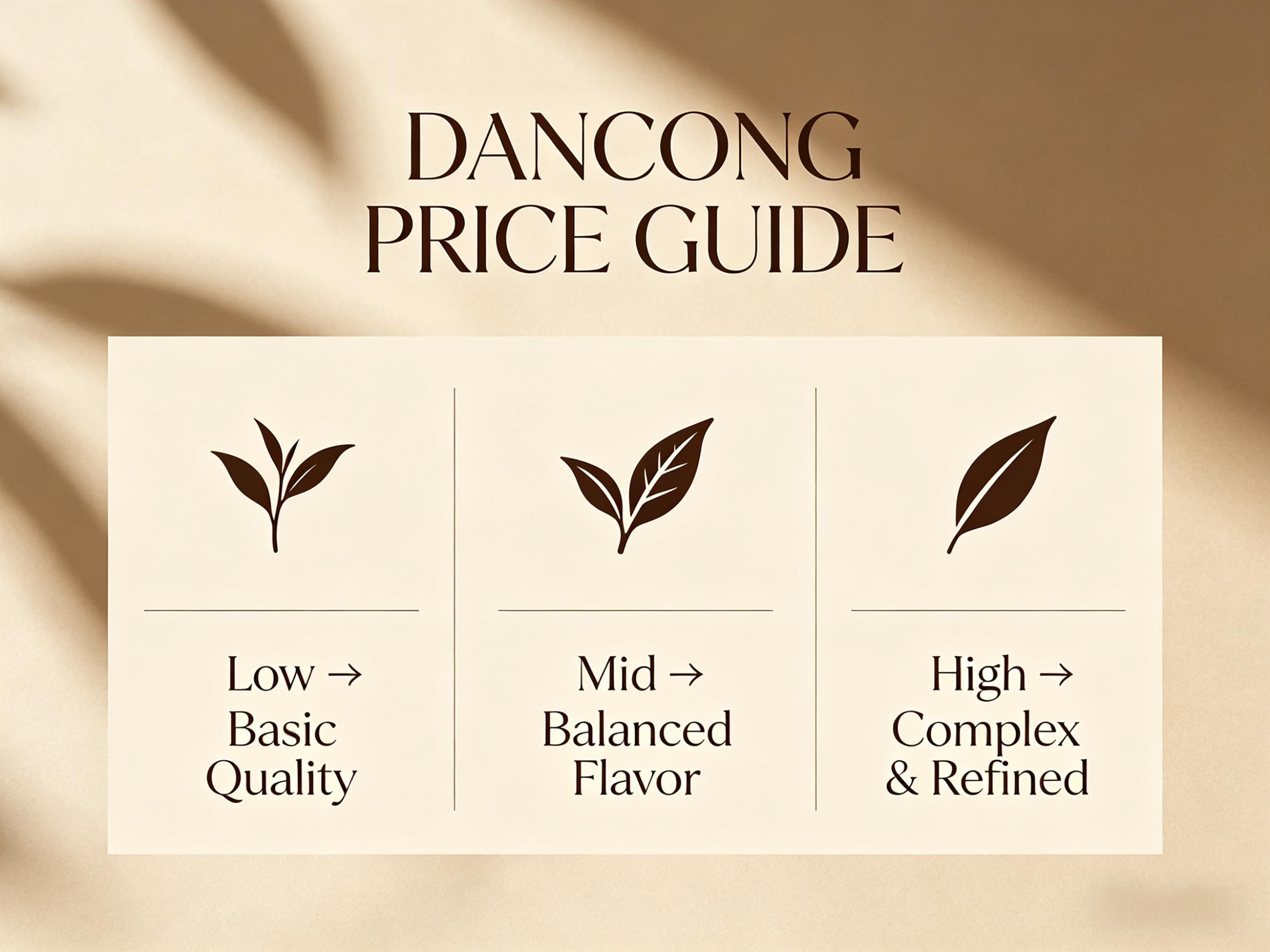
Dancong tea prices vary depending on origin, harvest season, cultivar, bush age, processing method, roast level, rarity, and package size. Instead of judging a tea only by its total price, compare the price per gram together with the product’s origin, harvest information, leaf quality, and processing details.
Entry-Level Dancong
Entry-level Dancong is usually suitable for beginners and everyday drinking. These teas may have simpler product information and a more straightforward flavor profile, but they can still offer an enjoyable introduction to Phoenix Oolong.
Mid-Range Dancong
Mid-range Dancong often provides clearer aroma, better leaf condition, and a more balanced taste. Sellers may also provide more detailed information about the variety, harvest season, roast level, or production area.
Premium Dancong
Premium Dancong may come from selected harvests, older tea bushes, specific villages, or more labor-intensive processing methods. These teas may offer greater aroma clarity, complexity, and lasting flavor, but premium claims should always be supported by transparent origin and processing information.
Be Careful with Unusually Low Prices
A very low price does not always mean poor quality, but it can be a warning sign when combined with vague origin information, generic descriptions, excessive broken leaves, or unclear storage details. Compare the product information carefully before purchasing.
Red Flags: Signs of Low-Quality or Fake Dancong
Some listings may look attractive but lack quality.
Watch for:
- No clear origin information
- No variety or aroma name
- Only vague terms such as “best” or “premium”
- No clear photos of the dry leaves
- Missing package size or price-per-weight information
- Claims about ancient trees or rare harvests without supporting details
- Prices that appear inconsistent with the stated origin and quality
- No returns, contact information, or seller policies
If a few of these red flags are showing up then it's probably best to steer clear of the product.
Best Practices for Online Tea Shopping
Safe and informed purchasing helps reduce risk.
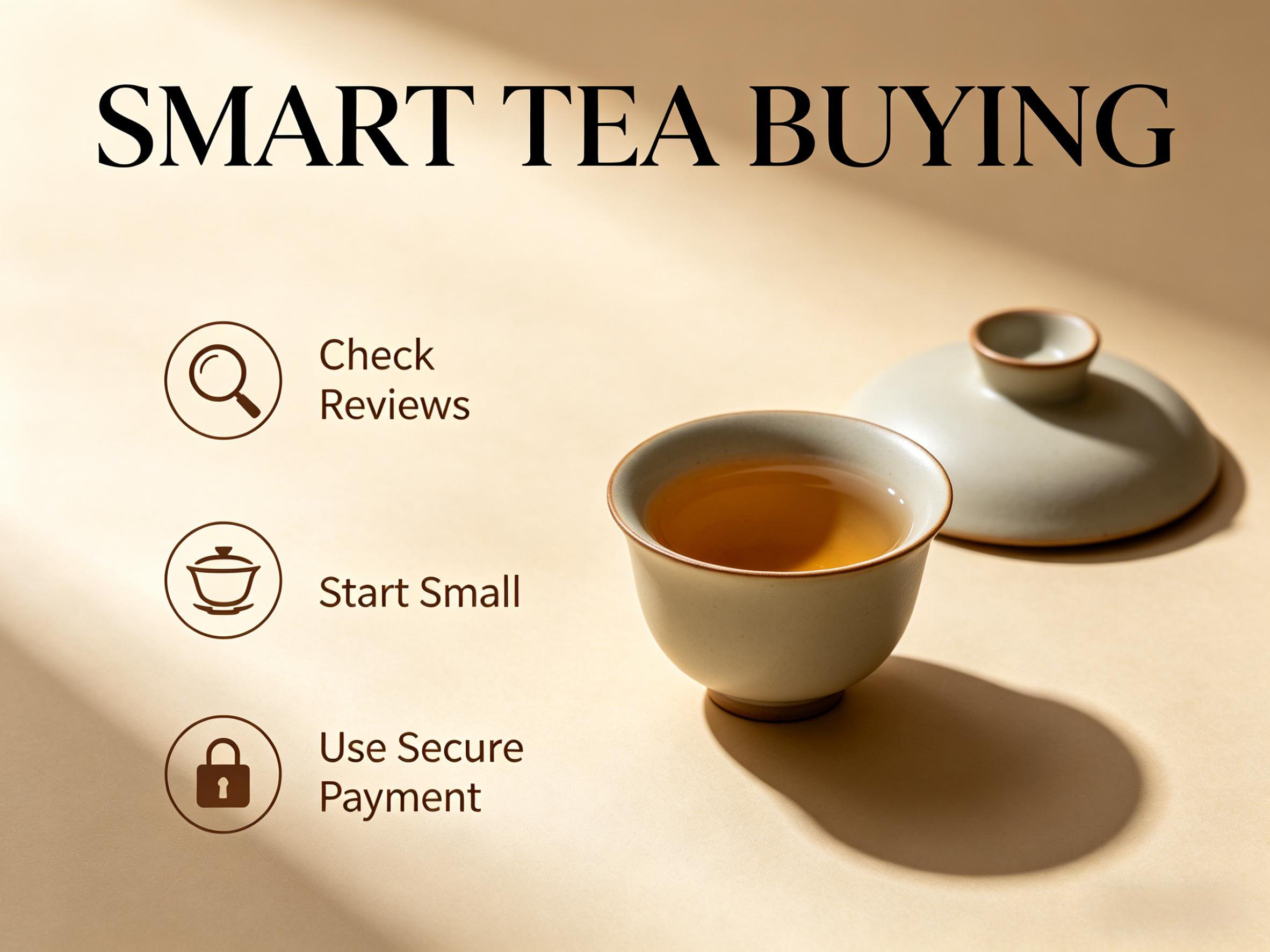
Check Seller Transparency
Look for:
- clear product descriptions
- detailed sourcing information
- customer reviews
Start with Small Quantities
If you are trying a new seller, begin with a smaller order. This helps you evaluate quality before committing.
Use Secure Payment Methods
Choose trusted payment systems and verified websites.
Use secure payment methods and check the seller’s shipping, refund, and customer-service policies before ordering.
Compare Price by Weight
Compare the price per gram or ounce rather than the total package price. A smaller package can appear cheaper while costing more per gram.
How to Evaluate an Online Tea Seller
- Clear business and contact information
- Specific product descriptions
- Consistent product photography
- Shipping and return policies
- Customer reviews with meaningful tasting details
- Sample sizes or smaller packages
- Responses to customer questions
Reviews are most useful when they mention aroma, freshness, packaging, and whether the received tea matched the product description.
Why Buy Dancong Tea from Dofo Tea?
Dofo Tea offers multiple Phoenix Dancong aroma varieties with clear information about origin, flavor, roast style, and brewing. This makes it easier to compare different Dancong teas and choose one that suits your taste.
Explore the Dofo Tea Dancong Collection to compare available varieties. For a closer look at the brand’s sourcing, quality standards, and customer experience, read our Dofo Tea Review.
Frequently Asked Questions
How do I know if dancong tea is authentic?
Look for clear origin information, a recognized aroma variety, detailed leaf and flavor descriptions, and transparent seller information. No single detail guarantees authenticity, so evaluate the listing as a whole.
Is expensive dancong tea always better?
No. A higher price may reflect origin, rarity, bush age, or processing, but price alone does not guarantee better flavor or authenticity.
Can I trust online tea descriptions?
Sometimes, but you should verify key details.Look for specific aroma notes, origin, and photos. Reading reviews can also help.Compare the description with photos, package information, customer reviews, and the seller’s sourcing details.
What is the best way to start buying dancong tea online?
Start with a sample or small package and compare two or three aroma varieties before buying a larger quantity.Then you can choose your preferred seller.
Is dancong tea a good gift?
Yes, it works well as a gift.Its aroma and presentation make it special.A curated set can be a more convenient option.
For more advice, see our Dancong Tea Gift Set guide.


