

Best Tea for Inflammation: A Practical Guide to Anti Inflammatory Tea
Author: Xu Jiahua, Nationally Certified Senior Tea Appraiser
Many people include tea in their daily routine because certain teas contain plant compounds linked to anti-inflammatory activity. This guide explores the best tea for inflammation, how these teas may support the body, and how to choose one that fits your routine.
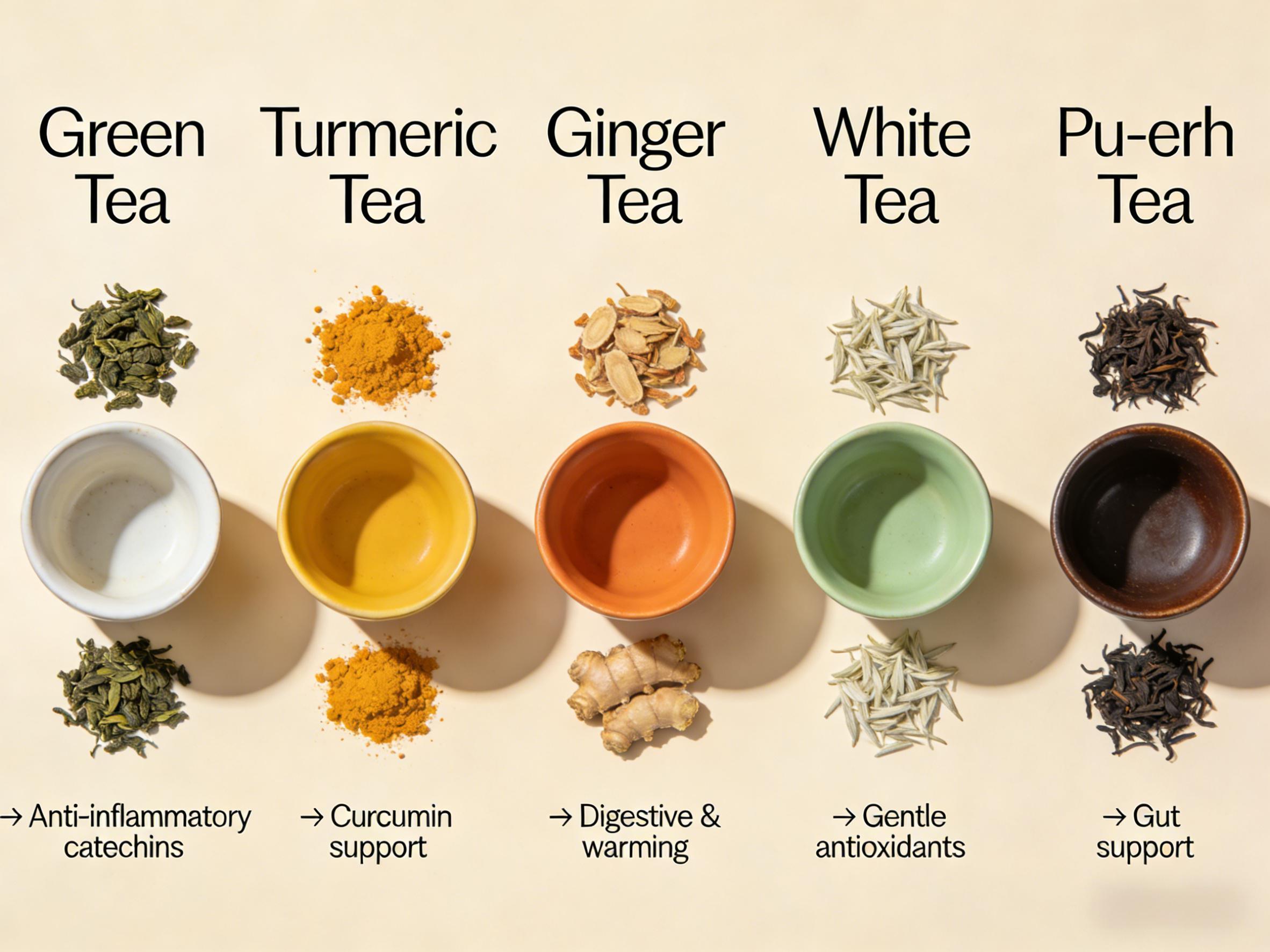
What Makes a Tea Anti Inflammatory
Green tea, white tea, and turmeric tea contain plant compounds such as polyphenols, catechins, and curcumin. Studies suggest these compounds may support the body’s response to inflammation and oxidative stress. As a result, anti-inflammatory teas are often enjoyed as a gentle daily wellness drink.
Best Tea for Inflammation That Are Gentle and Effective
These are the most popular, research-backed teas for inflammation - each one with its own unique taste and vibe.
Green Tea — A Classic Anti-Inflammatory Tea
- How It Works:Green tea is one of the most widely studied teas for inflammation. Its catechins have been examined for their potential role in supporting the body’s response to inflammation and oxidative stress.
- Key Compounds: Catechins, particularly EGCG (epigallocatechin gallate)
- Taste Profile: Light and refreshing, with a clean and slightly grassy note
- Best For:Those new to anti-inflammatory teas who prefer a mild, well-researched option suitable for daily drinking
Turmeric Tea — Powerful Plant-Based Support
- How It Works:Turmeric tea is made from turmeric root and is often associated with the compound curcumin. Researchers commonly study curcumin for its potential anti-inflammatory properties.The National Center for Complementary and Integrative Health (NCCIH) notes that turmeric and curcumin are widely researched for their possible effects on inflammation and overall health.
- Key Compounds: Curcumin
- Taste Profile:Warm, earthy, and slightly bitter
- Best For:Those looking for a caffeine-free herbal option with strong research interest in inflammation support
Ginger Tea — Warming and Digestive Friendly
- How It Works:Ginger tea is widely used in traditional wellness practices and is known for its warming effect. Research from Johns Hopkins Medicine shows that ginger contains bioactive compounds like gingerols that scientists are studying for their potential anti-inflammatory and digestive effects.
- Key Compounds:Gingerols and shogaols
- Taste Profile: Spicy, warming, and slightly sharp
- Best For:People who prefer a warming tea that may support digestion and feel comforting after meals
White Tea — Light, Low-Irritation Option
- How It Works:White tea is one of the least processed tea types. Because of this, it retains many natural polyphenols that are linked to antioxidant activity. Research referenced by PubMed suggests that white tea contains polyphenols that may contribute to its antioxidant properties.
- Key Compounds: Polyphenols, including catechins
- Taste Profile:Delicate, smooth, and slightly sweet
- Best For:Those who prefer a gentle tea with low bitterness and a lighter daily drinking experience
Pu Erh Tea — Fermented Tea for Gut-Related Inflammation
- How It Works: Pu erh tea is a fermented tea traditionally produced in China. The fermentation process creates unique microbial compounds that may support digestion.Some studies available in PubMed research databases suggest fermented teas may influence gut microbiota, which is closely linked to inflammation and immune function.
- Key Compounds: Microbial metabolites and polyphenols
- Taste Profile: Smooth, earthy, and rich
- Best For:Those interested in digestive wellness and deeper, more complex tea flavors
Choosing the Right Anti Inflammatory Tea for Your Needs
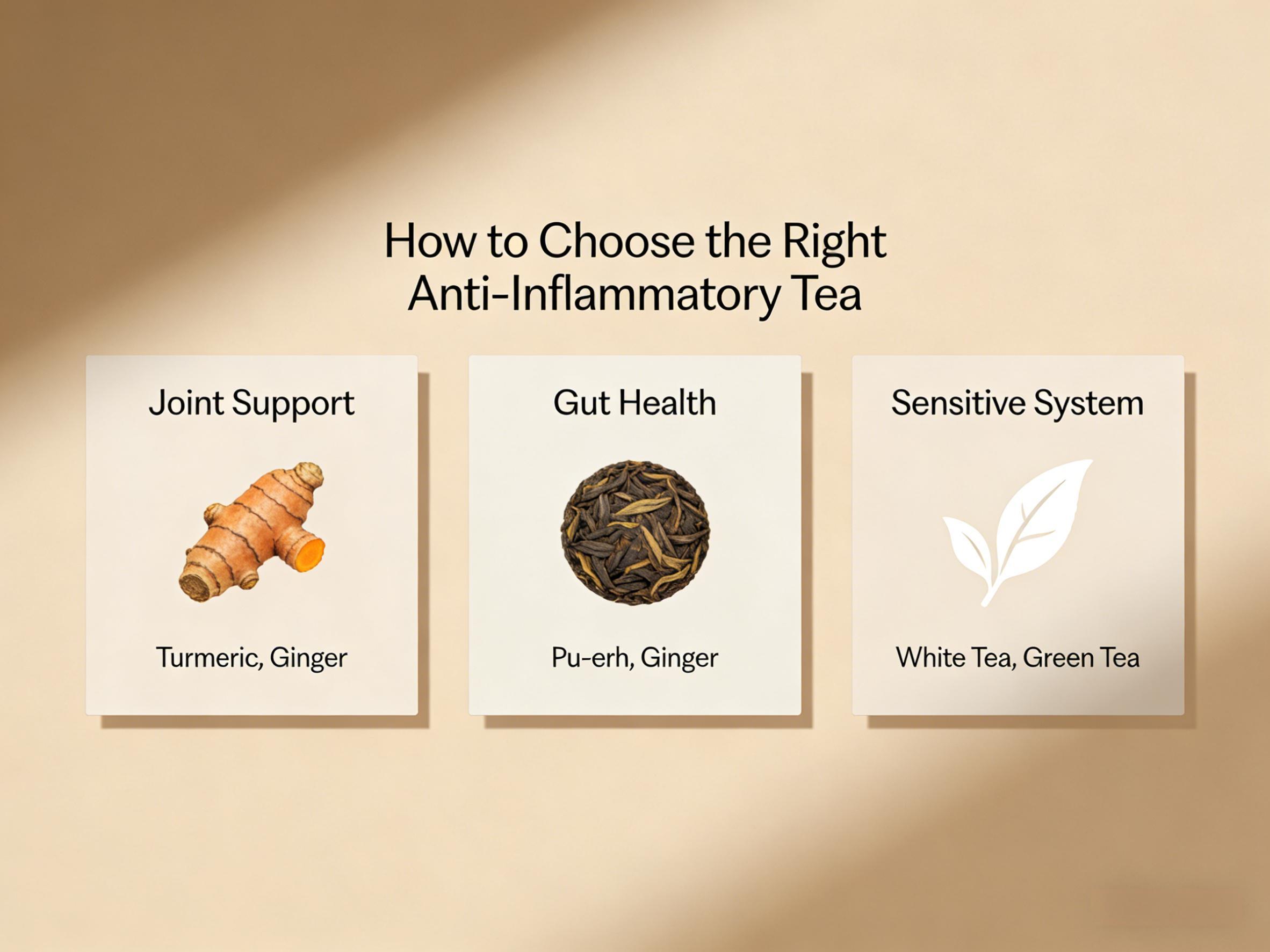
Of course, not every tea is going to suit every situation. It really does depend on your personal tolerance and what your daily habits are like.
Best Tea for Joint & Muscle Recovery — Turmeric Tea & Ginger Tea
Turmeric tea and ginger tea are often linked to joint and muscle recovery. Both herbs contain compounds that researchers study for their role in inflammation support.
Because these teas have warming properties, many people enjoy them after physical activity or during colder seasons.
Best Tea for Gut Health and Digestive Inflammation — Pu Erh Tea & Ginger Tea
Pu erh tea and ginger tea are commonly chosen for digestive wellness. Pu erh’s fermentation process may support gut microbiota balance, while ginger tea is often associated with digestive comfort.
These teas are frequently enjoyed after meals as part of a calming routine.
Best Tea for Sensitive Systems or Irritated Throat — White Tea & Mild Green Tea
White tea and mild green tea are generally gentler than stronger herbal infusions.
Their lighter flavor and lower intensity make them suitable for people who prefer softer drinks or who want a soothing beverage when the throat or stomach feels sensitive.
My Experience Choosing Tea for Daily Wellness
In my experience working with different types of tea, I have found that the best tea for a daily wellness routine is not always the one with the strongest reputation or the most talked-about benefits. The tea you can enjoy consistently is often the one that becomes part of your lifestyle.
For example, I personally prefer lighter teas such as white tea and green tea when I want a gentle, refreshing cup, while I choose aged white tea or Pu-erh when I want a deeper and more comforting tea experience. Over time, I have learned that factors like flavor, brewing style, and personal preference are just as important as the tea’s natural compounds.
My approach is simple: choose a clean, high-quality tea that you enjoy drinking regularly, and let it become a consistent part of your daily routine.
How to Brew Anti-Inflammatory Tea for Maximum Benefit
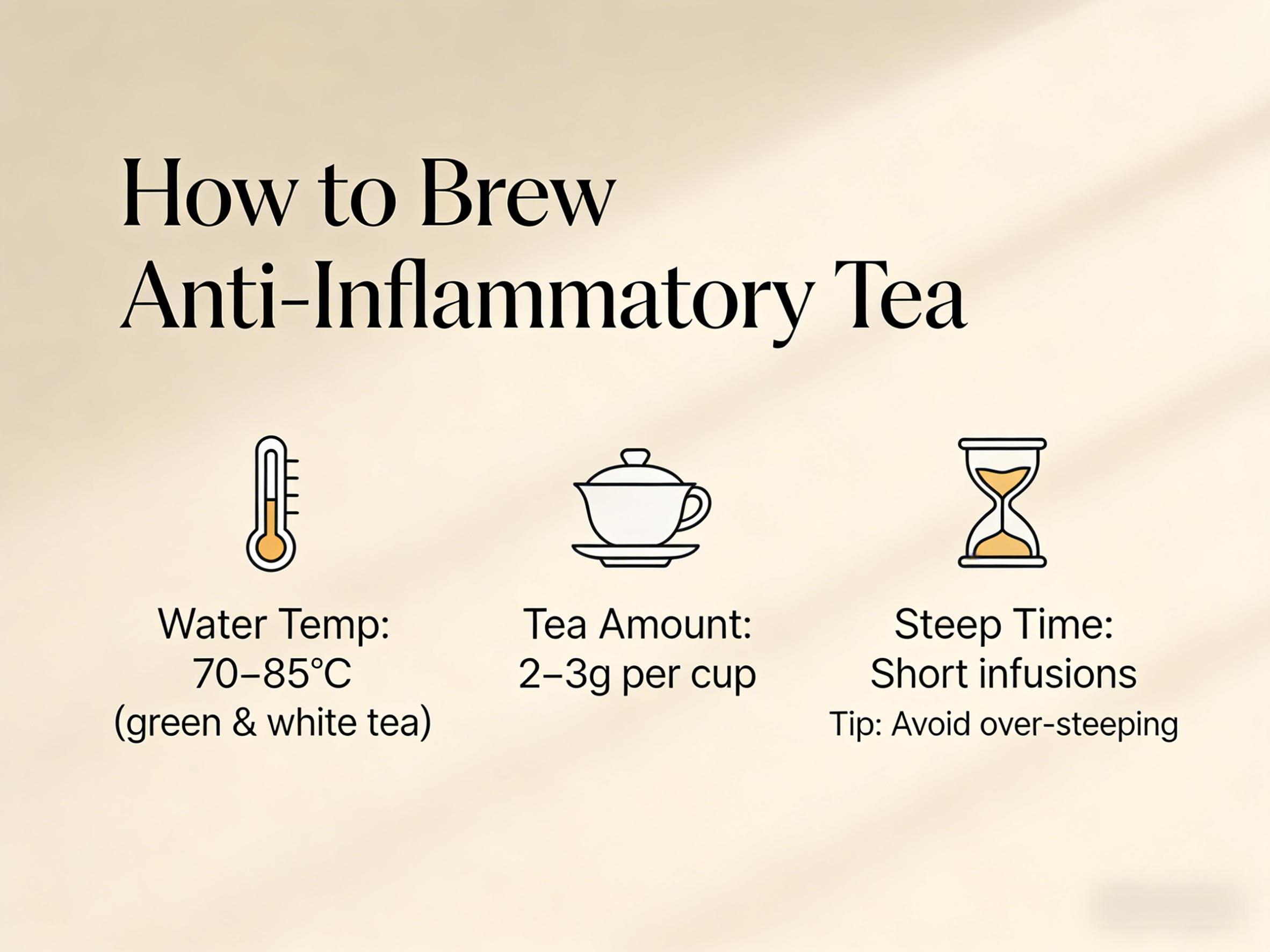
Brewing style can affect both flavor and drinking comfort. A gentler approach usually highlights natural sweetness while avoiding bitterness.
Helpful brewing tips include:
- Use lower water temperatures for green or white tea (around 70–85°C)
- Use shorter steeping times to avoid harsh flavors
- Start with about 2–3 grams of tea per cup
- Choose simple, clean ingredients rather than heavily flavored blends
These adjustments help keep the tea smooth and easy to drink.
FAQ: Anti Inflammatory Tea Questions People Ask
Are herbal teas better than regular tea for inflammation?
Both herbal teas and traditional teas may support an anti-inflammatory lifestyle. Herbal teas often contain unique plant compounds, while green and white teas contain polyphenols.
How long does it take for anti inflammatory tea to work?
Tea doesn't work like a medication, if theres going to be any benefit its from being a consistent part of a well balanced lifestyle over a reasonable period of time.
Can anti inflammatory tea replace medication?
Tea should not replace prescribed treatment. Anyone managing chronic inflammation should follow medical advice and use tea only as a supportive habit.
Who should be careful when drinking anti inflammatory tea?
People who are pregnant, sensitive to caffeine, or taking certain medications should consult a healthcare professional before consuming large amounts of herbal teas.
Discover Anti Inflammatory Teas
Choosing the best tea for inflammation does not need to be complicated. Simple, clean teas brewed with care can easily become part of a daily routine that supports calm moments, gentle nourishment, and a more balanced lifestyle.


