

Best Oolong Tea Brand: How to Find a Quality Oolong That Fits Your Taste
liujiehangAuthor: Xu Jiahua, Nationally Certified Senior Tea Appraiser
Choosing the best oolong tea brand isn’t always straightforward. Oolong sits between green and black tea, and its flavor range is wide—floral, creamy, roasted, or deep and earthy, depending on how it’s made.
Instead of looking for a single “perfect” brand, it often helps to understand what shapes oolong’s character. Once you know what to look for, finding a quality oolong that fits your taste becomes much easier.
What Is Oolong Tea and Why Brand Quality Matters
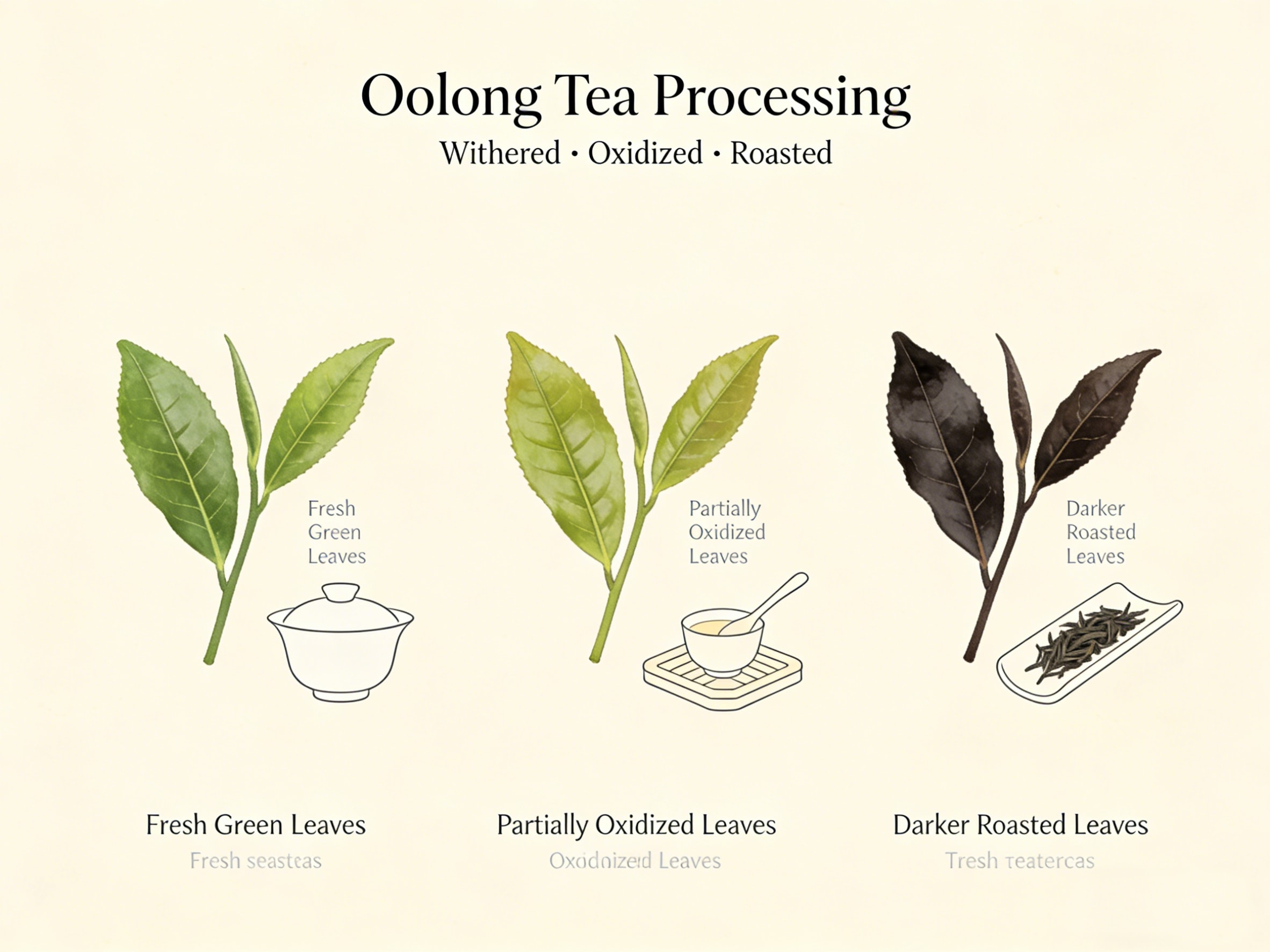
Oolong tea comes mainly from China and Taiwan, where producers have refined processing techniques over centuries. The leaves are carefully withered, bruised, oxidized, and sometimes roasted to develop layered flavor.
According to Wikipedia’s overview of oolong tea, oxidation typically ranges from about 10% to 80%, creating an unusually wide flavor spectrum.
This is where the best brand of oolong tea makes a real difference. High-quality brands pay attention to:
- where the tea is grown
- how the leaves are handled
- how freshness is protected after harvest
Lower-quality brands often blend inconsistent batches or rely on heavy roasting to mask flaws.
Before You Choose a Brand: Why Oolong Tea Feels So Different
Oolong tea is partially oxidized, but oxidation levels vary widely. That’s why one oolong can taste fresh and grassy while another feels warm and toasty.
Beyond oxidation, factors like growing region, processing style, and storage all shape the final cup. Brand decisions directly influence each of these steps.
Key Factors to Look for in the Best Brand of Oolong Tea
Tea Origin and Transparency
Good brands tell you where the tea comes from—specific regions, gardens, or mountains. Transparency often signals closer relationships with growers and better quality control.
Processing Style and Oxidation Level
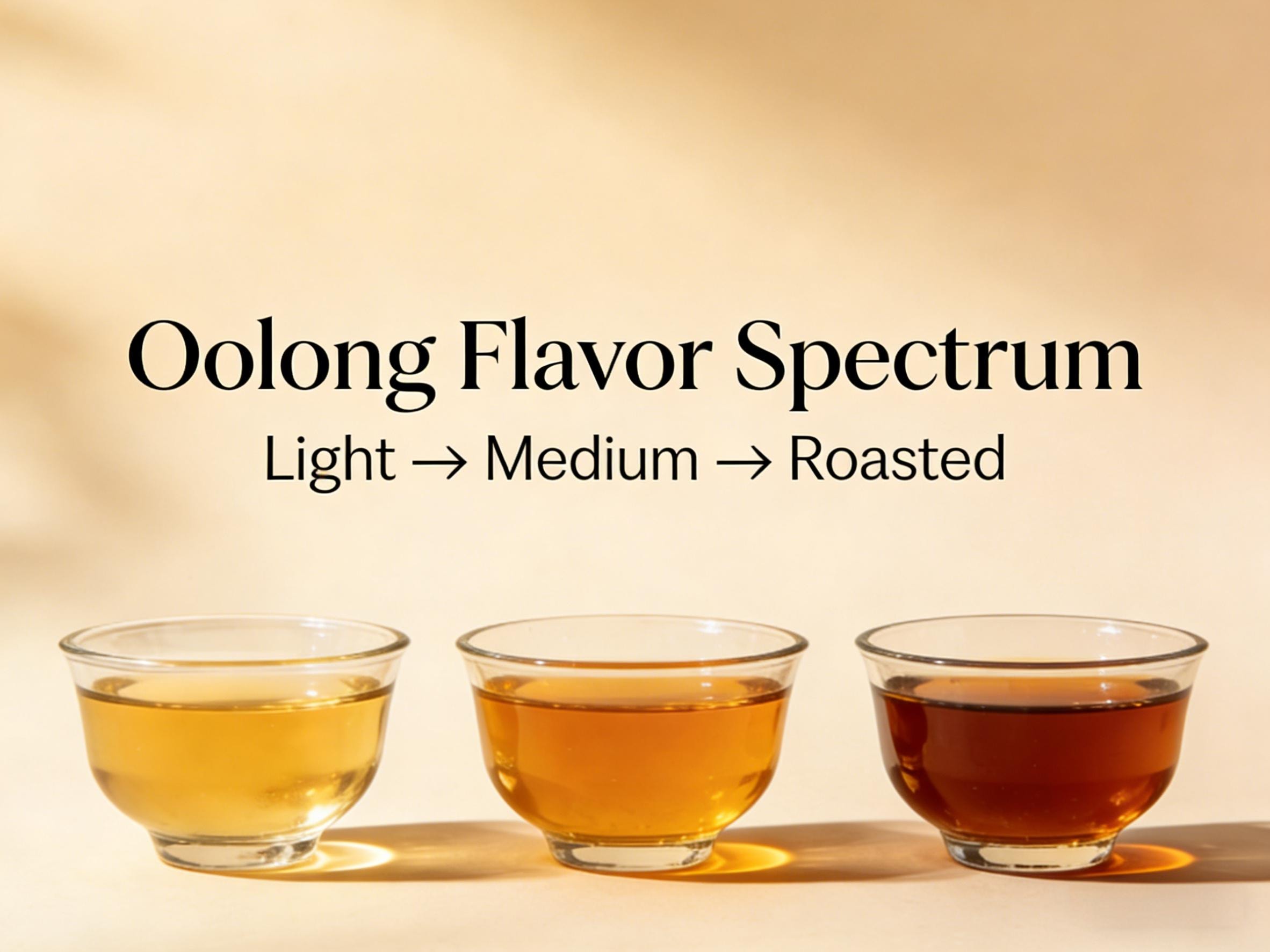
Oxidation shapes everything from aroma to aftertaste. Light oxidation brings floral notes. Medium oxidation adds sweetness and body. Dark oxidation or roasting creates deeper warmth.
Leaf Quality and Visual Indicators
Whole, twisted leaves usually indicate careful handling. Excessive dust or broken pieces can suggest lower-grade material.
After brewing, quality leaves should open fully and look intact.
Freshness, Storage, and Packaging
Oolong is sensitive to air and moisture. The best brands use sealed packaging and small-batch storage to preserve flavor.
Freshness directly affects sweetness and clarity in the cup.
Popular Oolong Tea Styles
Different oolong styles offer very different drinking experiences. This simple comparison helps clarify how oxidation and roasting influence flavor and daily use.
|
Oolong Style |
Flavor Profile |
Common Drinking Moments |
|
Light Oolong (Floral & Fresh) |
Bright aroma, soft sweetness, often grown at higher elevations |
Morning or daytime, when you want something clean and uplifting |
|
Medium Oxidation Oolong (Balanced & Smooth) |
Rounded body with layered notes |
Everyday drinking, suitable for most routines |
|
Dark or Roasted Oolong (Deep & Comforting) |
Toasty warmth with lower perceived acidity |
Afternoons or evenings, especially after meals |

How to Brew Oolong Tea to Reflect Brand Quality
Even high-quality oolong can taste flat or bitter if brewed too aggressively. A gentler approach helps reveal the layers each brand works hard to preserve.
- Use water around 85–95°C depending on oxidation
- Start with shorter steeps (30–60 seconds)
- Re-steep multiple times to explore evolving flavors
Gentle brewing highlights craftsmanship rather than overpowering the leaf, allowing you to experience how each brand expresses its oolong.
Top Oolong Tea Brands Worth Knowing (and What Each Does Best)
When people search for the best brand of oolong tea, they’re usually looking for reliability, sourcing clarity, and drinkable flavor—not just popularity.
Here are several oolong tea brands known for quality, each serving different preferences.
Dofo Tea — Best for Clean, Everyday Oolong
Dofo Tea focuses on single-origin loose-leaf teas with minimal processing. Their oolong selection leans toward light to medium oxidation, creating smooth, approachable flavors suited for daily drinking.
Pros:
- Transparent sourcing
- Gentle flavor profiles
- Small-batch freshness
- Designed for calm, mindful routines
Best for drinkers who prefer balanced oolong without heavy roasting.
Rishi Tea — Best for Organic Options
Rishi offers certified organic teas and modern packaging, with both floral and roasted oolong styles.
Pros:
- Organic certification
- Widely available in the U.S.
- Consistent quality
Limitations:
Single-origin details can be limited, and some blends feel more commercial.
Harney & Sons — Best for Classic Western Palates
Harney & Sons provides accessible oolong teas, often in sachets or blends designed for traditional tastes.
Pros:
- Easy to find
- Beginner-friendly selections
Limitations:
Many offerings are flavored or blended rather than pure single-origin.
Floating Leaves Tea — Best for Taiwanese Oolong Fans
Floating Leaves specializes in Taiwanese high-mountain oolongs sourced directly from small farmers.
Pros:
- Deep regional expertise
- Excellent craftsmanship
Limitations:
Higher price point and more niche availability.
FAQ
Which brand of oolong tea is the best for beginners?
Beginner-friendly brands usually offer light or medium-oxidation oolong with smooth flavor and clear sourcing. Teas that are gentle and easy to brew are often the best starting point.
What is the best brand of oolong tea for daily drinking?
Many people prefer Dofo Tea for its smooth, low-intensity profiles designed for everyday enjoyment.
How do I know if an oolong tea brand is high quality?
Look for origin transparency, whole leaves, proper packaging, and clear oxidation style.
What is the healthiest oolong tea brand?
The healthiest oolong tea depends on freshness and gentle processing rather than brand. Minimally processed, clean oolong is ideal. PubMed Studies show its polyphenols support antioxidant activity.
Does oolong tea contain caffeine?
Yes. Oolong contains moderate caffeine—generally less than black tea but more than green tea. Actual levels depend on oxidation and brewing time.
Discover Dofo Tea’s Thoughtfully Crafted Oolong Teas for Everyday Calm
At Dofo Tea, oolong begins with origin. Carefully sourced leaves, gentle processing, and small-batch handling create teas that feel balanced, clean, and easy to return to day after day. Whether you enjoy floral light oolong or smoother medium styles, mindful tea choices can become part of a quieter, more grounded routine.


