

How to Brew Dancong Tea: Step-by-Step Gongfu Method for Beginners
Author: Xu Jiahua, Nationally Certified Senior Tea Appraiser
Dancong tea is renowned for its unique fragrance; only through proper brewing can its floral, fruity, and honeyed notes be fully released. For readers who are new to this tea, understanding what is dancong tea can help explain why its aroma and brewing style differ from many other teas.
What Is Gongfu Tea Brewing?
Gongfu tea brewing is a traditional Chinese method that focuses on skill, patience, and precision.
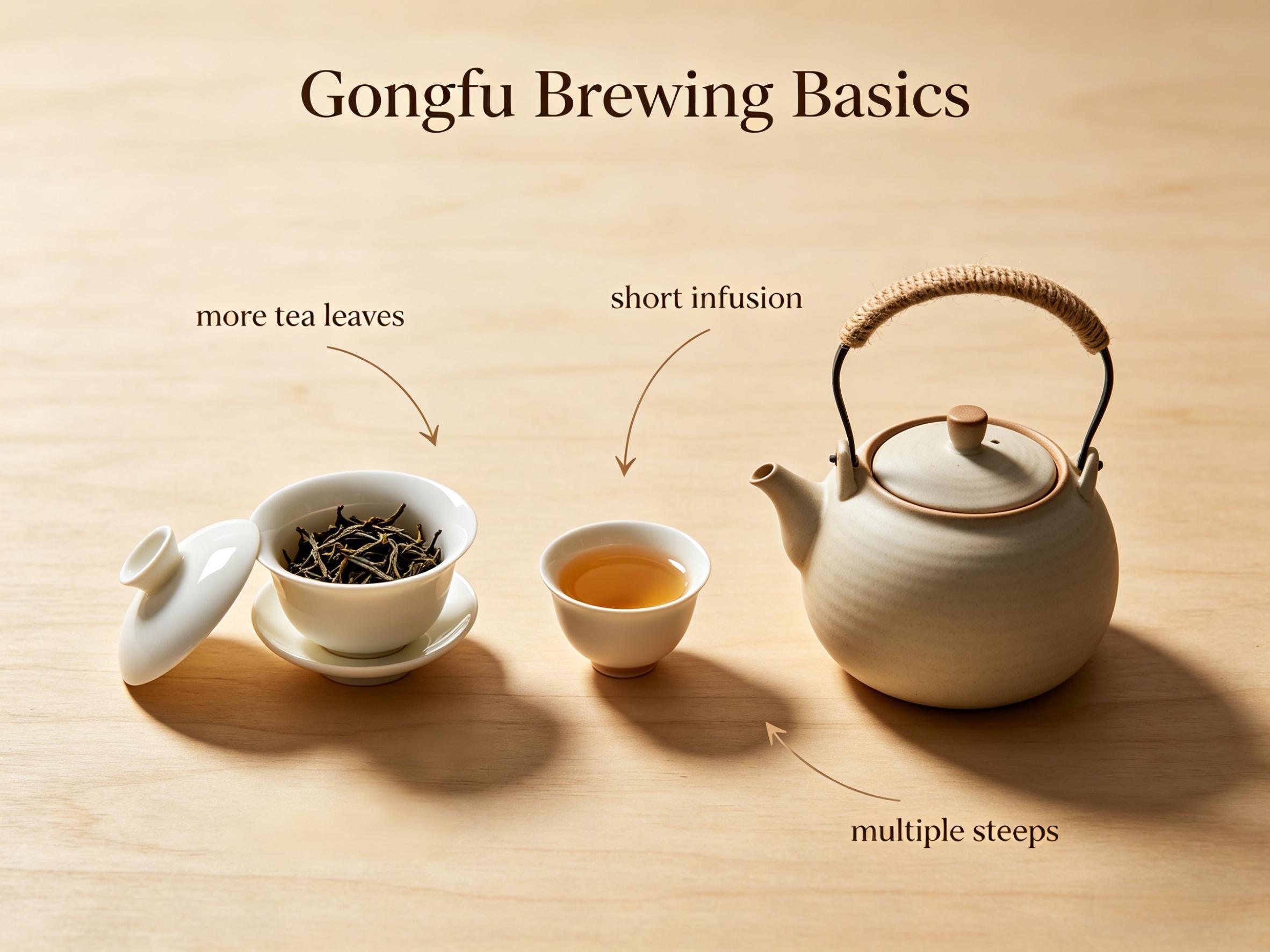
Instead of using a large pot, it uses small teapots and cups. This allows the same tea leaves to be infused multiple times.
The core idea is simple:
- use more tea leaves
- brew with short infusions
- observe how the flavor changes over time
This method works especially well for oolong teas like Dancong, as it helps bring out subtle layers of aroma and taste.
Dancong Gongfu Brewing: Step-by-Step
Brewing Dancong tea with the Gongfu method is dead simple, really - once you've got the hang of it, the whole process is pretty relaxing.
Step 1: Prepare the Teaware
Gather the basic tools. If you plan to buy loose leaf dancong tea online, having the right teaware such as a gaiwan or small teapot will help you brew the leaves more effectively.
- gaiwan or small teapot (100–150 ml)
- fairness pitcher (gong dao bei)
- small tea cups
- kettle for hot water
Using smaller teaware lets you have more control over how long the tea steeps.
Step 2: Warm the Teaware
Pour some hot water over the gaiwan and cups, that way they're nice and warm and stable for when you use them.
Chuck the water out before you add the tea leaves.
Step 3: Measure the Tea Leaves
Add 5–7 grams of Dancong tea for about 100 ml of water.
Dancong leaves are often long and twisted, so they may appear larger than other teas.
Step 4: Smell the Dry Leaves
Before brewing, take a moment to smell the dry tea.
Many Dancong varieties release strong aromas even before infusion, such as orchid, honey, almond, or fruit notes. These aromas also hint at what dancong tastes like once the tea is fully brewed.
Step 5: Rinse the Leaves
Pour hot water over the leaves and immediately discard the liquid.
This quick rinse helps:
- awaken the leaves
- gets rid of any bits that might be floating around
- prepare the tea for infusion
Step 6: First Infusion
Add hot water again and steep for 5–10 seconds.
Pour the tea into the fairness pitcher and then into the tasting cups.
The first infusion often highlights light floral aromas.
Step 7: Continue Short Infusions
Increase the steeping time slightly with each infusion.
Typical sequence:
- 1st infusion: 5–10 seconds
- 2nd infusion: 8–10 seconds
- 3rd infusion: 10–15 seconds
Short infusions help preserve clarity and prevent bitterness.
Step 8: Observe Aroma Changes
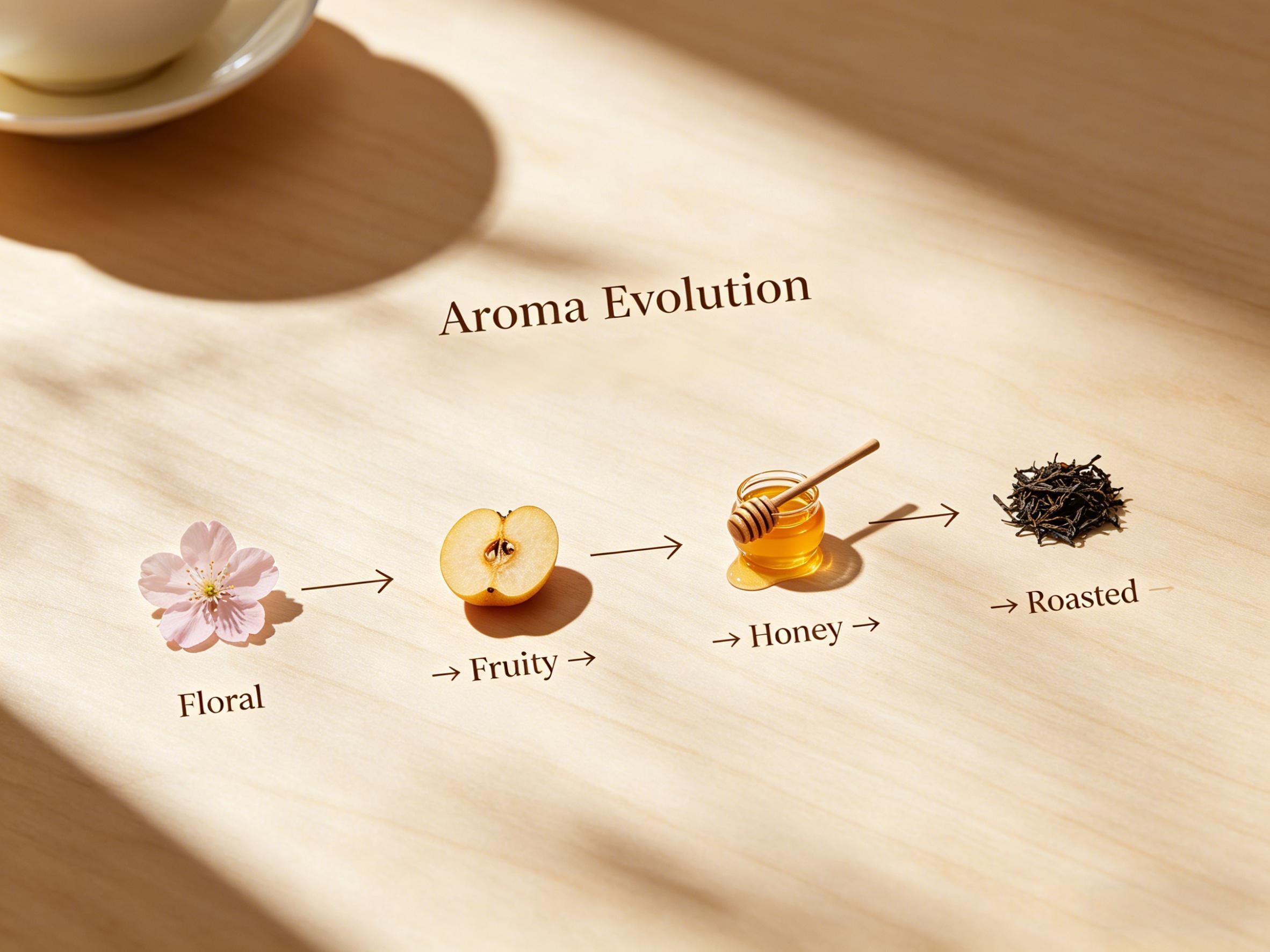
As the tea continues to steep, the aroma often shifts.
Early infusions may show floral or fruity notes, while later infusions reveal honey, roasted, or mineral tones.
This progression is one reason Dancong tea is so appreciated by tea enthusiasts.
Water Temperature and Tea Ratio Guide
According to tea brewing temperature research, water temperature plays an important role in how tea compounds are extracted during brewing.
At the same time, different roasting levels and types of dancong tea may require small adjustments to temperature or leaf ratio.
- Recommended temperature:95–100°C (203–212°F)
Hot water helps release the tea’s aromatic oils and deeper flavor notes.
- Recommended leaf-to-water ratio A common guideline:5–7 grams of tea per 100 ml water
However, this may vary depending on the specific Dancong variety.
For example:
|
Dancong Style |
Suggested Ratio |
|
Lightly roasted Dancong |
5g / 100ml |
|
Medium roast Dancong |
6g / 100ml |
|
Heavily roasted Dancong |
6–7g / 100ml |
You can adjust the ratio slightly to match your taste preference.
My Experience Brewing Phoenix Dancong Tea
In my years of brewing Phoenix Dancong, I have found that controlling the brewing speed is just as important as choosing a good tea. Dancong has a naturally high aroma, but keeping the infusion short helps preserve its floral fragrance while preventing bitterness.
I usually brew Dancong with a small gaiwan (100–120ml), using around 5–6g of tea and boiling water at 100°C (212°F). After a quick rinse, I prefer fast infusions — around 5–8 seconds for the first few steeps, then gradually extending the time as the leaves open.
The biggest mistake I see beginners make is over-steeping. Dancong does not need a long extraction to release its aroma. High temperature, quick pouring, and tasting the tea while the fragrance is fresh are the keys to bringing out its best character.
How Many Steeps Can You Get from Dancong?
High-quality Dancong tea is known for its excellent re-steeping ability.
The number of infusions usually depends on the quality of the leaves.
|
Tea Quality |
Typical Steeps |
|
Entry-level Dancong |
4–6 steeps |
|
Mid-grade Dancong |
6–8 steeps |
|
High-quality Dancong |
8–12+ steeps |
Premium Dancong teas often reveal new flavor layers in later infusions, which is part of the appeal of gongfu brewing.
Common Brewing Mistakes to Avoid
Beginners sometimes struggle with Dancong tea because small brewing adjustments can make a noticeable difference.
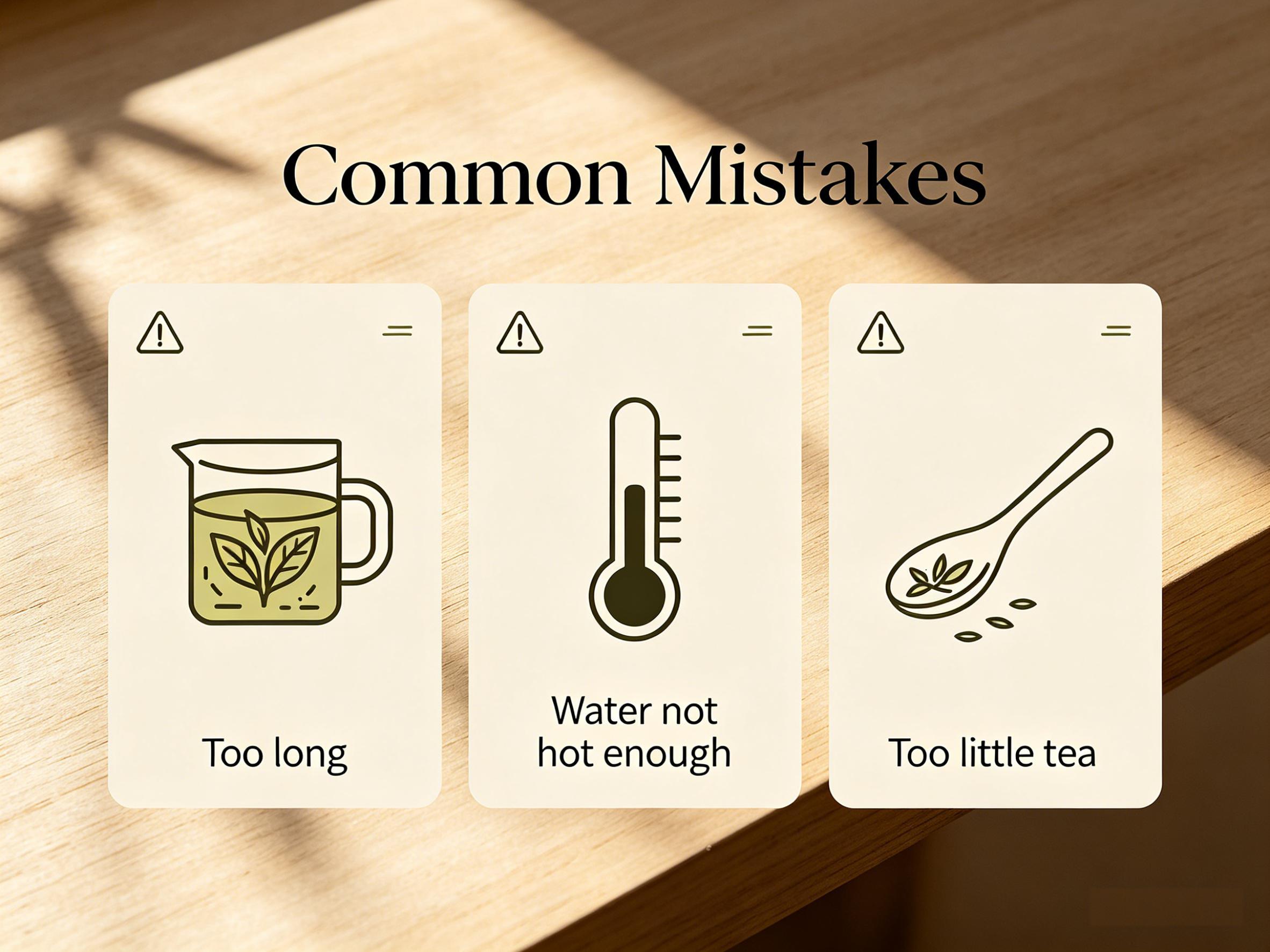
Here are some common mistakes.
- Using too little tea:Dancong relies on a relatively high leaf quantity to express its aroma. Using too little tea may produce a weak cup.
- Over-steeping the tea:Because Dancong releases flavor quickly, long steeping times can create bitterness.Short infusions are usually more effective.
- Using water that is not hot enough:Lower temperatures may prevent the tea from releasing its full fragrance.Dancong generally performs best with near-boiling water.
- Using large teapots:Large brewing vessels make it harder to control steeping time. Smaller gaiwans or teapots are better suited for gongfu brewing.
Frequently Asked Questions
Can I brew Dancong tea without gongfu teaware?
Yes. You can use a small teapot or even a mug with loose leaves. However, gongfu brewing usually produces more layered flavors because of the short infusion method.
Is Dancong tea suitable for beginners?
Yes. While the aroma complexity may surprise new drinkers, the brewing process itself is simple once you learn the basic steps.
Why does Dancong tea taste bitter sometimes?
Bitterness often happens when the tea is steeped too long or when too much leaf is used without adjusting the infusion time.
Shorter steeps usually solve this problem.
Should I rinse Dancong tea before brewing?
Most gongfu brewing methods include a quick rinse. This step awakens the leaves and prepares them for infusion.
Can Dancong tea be cold brewed?
Cold brewing is possible, but it may reduce some of the tea’s aromatic complexity. Gongfu brewing remains the most common method for enjoying Dancong tea.


