

Green Tea Guide – Everything You Need to Know
Author: Xu Jiahua, Nationally Certified Senior Tea Appraiser
Green tea has become the most popular tea in modern wellness. People drink it for daily comfort, clarity or just because they love the clean taste. This guide explains what green tea is, how it tastes, what the research says about the benefits and how to brew it for the best experience. It also helps you choose the right type of green tea for your daily habit.
Why Green Tea Matters Today
Green tea has been part of Asian tea culture for thousands of years. Today it’s a bigger global player—showing up in wellness habits, morning routines and mindful rituals.
It’s popular because of its gentle caffeine lift, its fresh taste and high levels of antioxidants like catechins.
Green tea is one of the least processed tea types which helps preserve most of its natural chemistry and aroma compounds.
What Is Green Tea?
Green tea comes from the same plant as black tea and oolong tea—Camellia sinensis. The difference is in how the leaves are handled.
How Green Tea Is Made
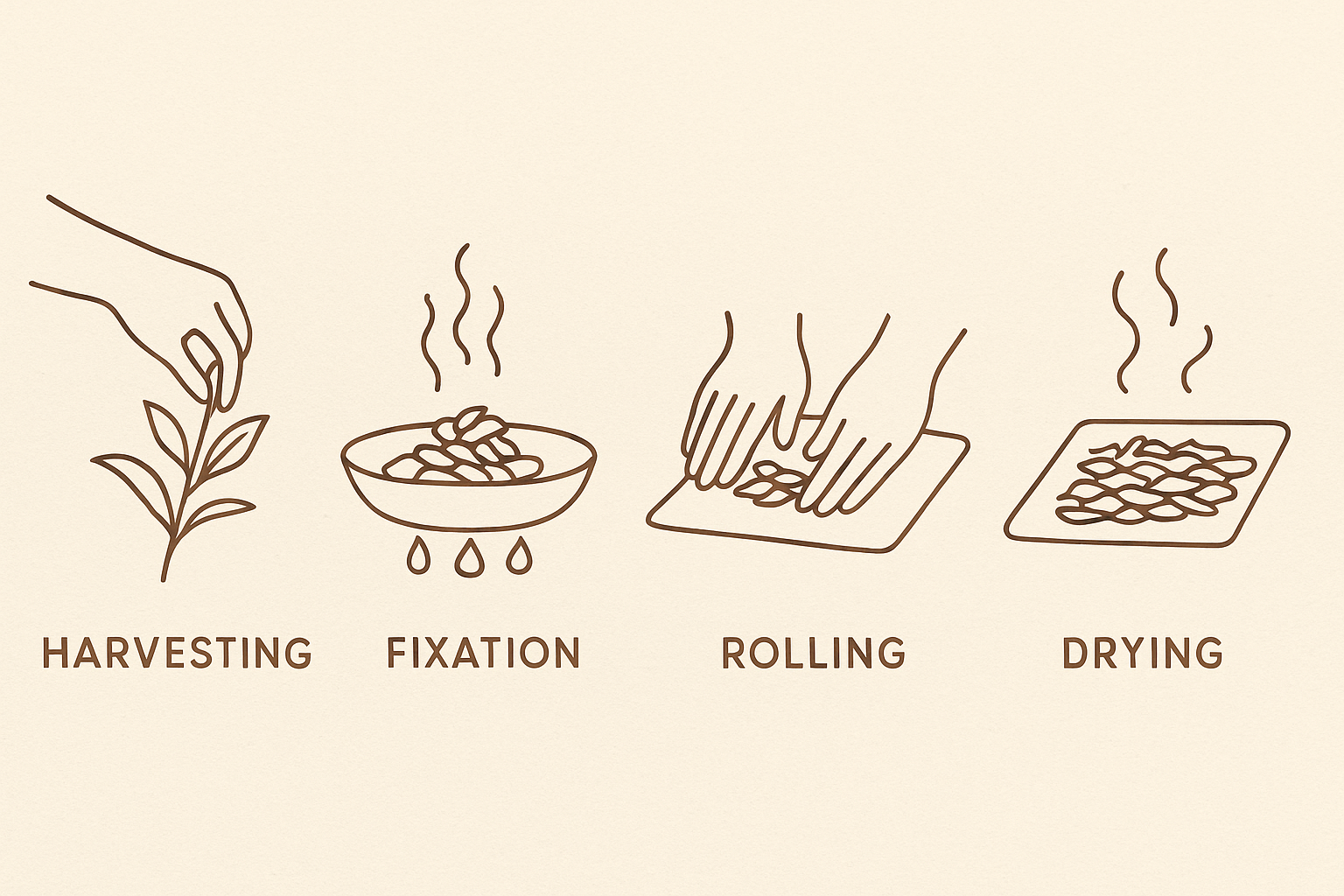
Green tea production minimizes oxidation. After harvesting leaves are:
- Heated (pan-fired in China or steamed in Japan) to prevent oxidation
- Rolled into shape
- Dried to preserve aroma and freshness
This minimal processing preserves the leaf’s brightness and rich catechins so it tastes clean and fresh.
How It Differs from Black Tea and Oolong Tea
- Black tea is fully oxidized which gives it a deeper colour and stronger taste.
- Oolong tea is partially oxidized which puts it somewhere between floral and roasted.
- Green tea is unoxidized which keeps its grassy, sweet and bright notes.
What Does Green Tea Taste Like?
Green tea is celebrated for its fresh, clean, and diverse taste profile, which varies from light, chestnut sweetness in Chinese pan-fired teas to rich, grassy umami in Japanese steamed varieties.
To explore flavor notes, cultivars, and how processing shapes each cup, read our comprehensive guide: [Green Tea Flavour – What Does Green Tea Taste Like]
Green Tea Benefits — What Research Says

Green tea is rich in natural antioxidants like EGCG and soothing amino acids like L-theanine, which have been widely studied for supporting metabolic health, cognitive focus, and cellular protection.
For a detailed breakdown of the science behind these wellness benefits and to find the healthiest tea for your lifestyle, see our full guide: [Best Green Tea for Health – A Complete Guide]
Does Green Tea Contain Caffeine?
Yes, a typical 240 ml cup of green tea contains around 20–45 mg of caffeine—significantly less than black tea or coffee, offering a gentle, jitter-free lift.
To compare caffeine levels across different green tea varieties and learn how brewing adjustments change caffeine extraction, read more here: [Does Green Tea Contain Caffeine?]
A Practical Guide to Enjoy Green Tea Everyday
Best Time to Drink Green Tea
Most people enjoy green tea in the morning or early afternoon. You can explore practical timing tips here:Best Time to Drink Green Tea
How to Brew Green Tea for Best Taste
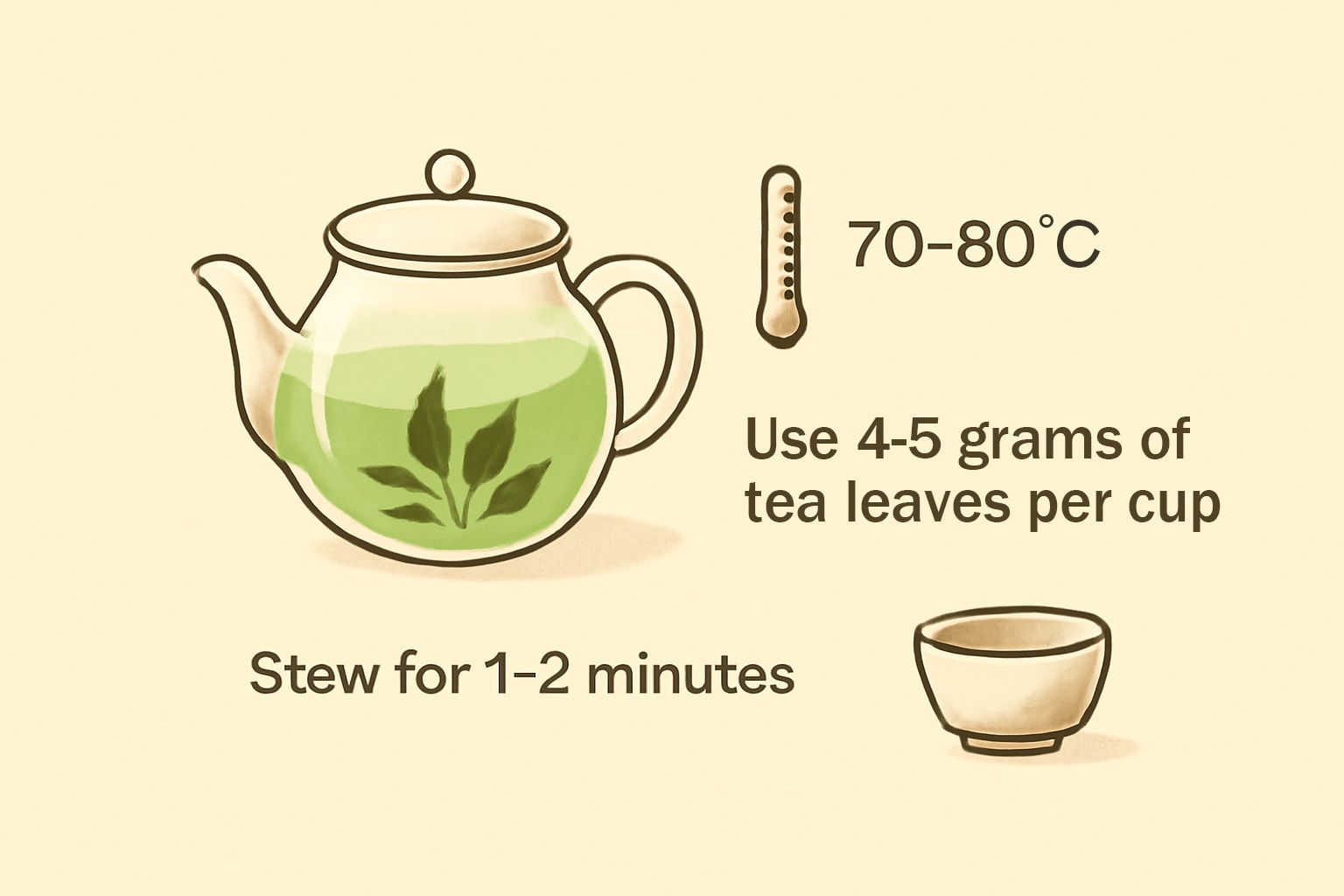
Green tea brews best between 70–80°C (160–175°F). Hot water extracts more tannins and can make it bitter.
For steeping guidance, see:How Long to Steep Green Tea – Brewing Guide
How to Make Green Tea Taste Good
If your brewed green tea tastes too bitter, sharp, or grassy, simple adjustments to your water temperature, steeping time, and leaf-to-water ratio can instantly transform your cup into a smooth, sweet brew.
Discover easy, practical steps to fix bitter tea and enhance your daily brew here: [How to Make Green Tea Taste Good]
How to Choose Premium Green Tea
Selection Tips
- Observe Appearance
- Distinguish Aroma
- Check Liquor Color
- Taste Flavor
- Examine Infused Leaves
What I Look for When Choosing Green Tea
After years of tasting green tea, I have learned not to judge quality simply by how green the dry leaves look. I first check whether the leaves look fresh and lively, then smell for a clean aroma such as chestnut, floral, or fresh vegetal notes.
After brewing, I pay more attention to the liquor and infused leaves. A good green tea should taste fresh and balanced, with clear liquor and soft, intact leaves. If I notice stale, musty, heavily burnt aromas or an unpleasantly harsh finish, I usually move on.
Loose Leaf Tea vs. Tea Bags
Tea bags are convenient and quick to brew, perfect for work, travel or just hydration. Loose leaf tea offers more aroma and layered flavor as the leaves have room to unfurl. For casual moments, bags are easy; for deliberate tea enjoyment, loose leaf reveals so much more.
Region Differences in Quality
- Chinese green tea → softer, sweeter
- Japanese green tea → stronger umami
- High mountain teas → cleaner, more aromatic
You can compare options here:Best Green Tea for Health – A Complete Guide
FAQ
Can green tea expire?
Green tea loses aroma over time. Storage temperature and humidity matters.
Can I add milk to green tea?
Yes, but rare. Milk dilutes flavor and clarity.
Can I re-steep green tea leaves?
Yes. High-quality leaves can be brewed several times with shorter steeps.
Is green tea safe during pregnancy?
Moderate consumption is usually fine, but monitor caffeine intake. Consult a doctor if unsure.
Does cold brewing reduce caffeine?
Yes. Cold water extracts caffeine slower, so it’s softer.
Explore Dofo Tea’s Green Tea Collection
If you like clean and refreshing green tea, check out Dofo Green Tea Collection. Every tea is selected for clarity, aroma and natural sweetness — what green tea lovers love most.


