

Dancong Tea Benefits: What Does Phoenix Oolong Tea Do for Your Health?
Author: Xu Jiahua, Nationally Certified Senior Tea Appraiser
Dancong tea is a traditional Chinese oolong from Phoenix Mountain in Guangdong. It is known for its rich aroma and complex flavors, often with orchid, honey, or fruit notes. If you want to learn more about its origin and characteristics, see what is Dancong tea. This guide introduces its key qualities and potential wellness benefits.
What Makes Dancong Tea Healthy?
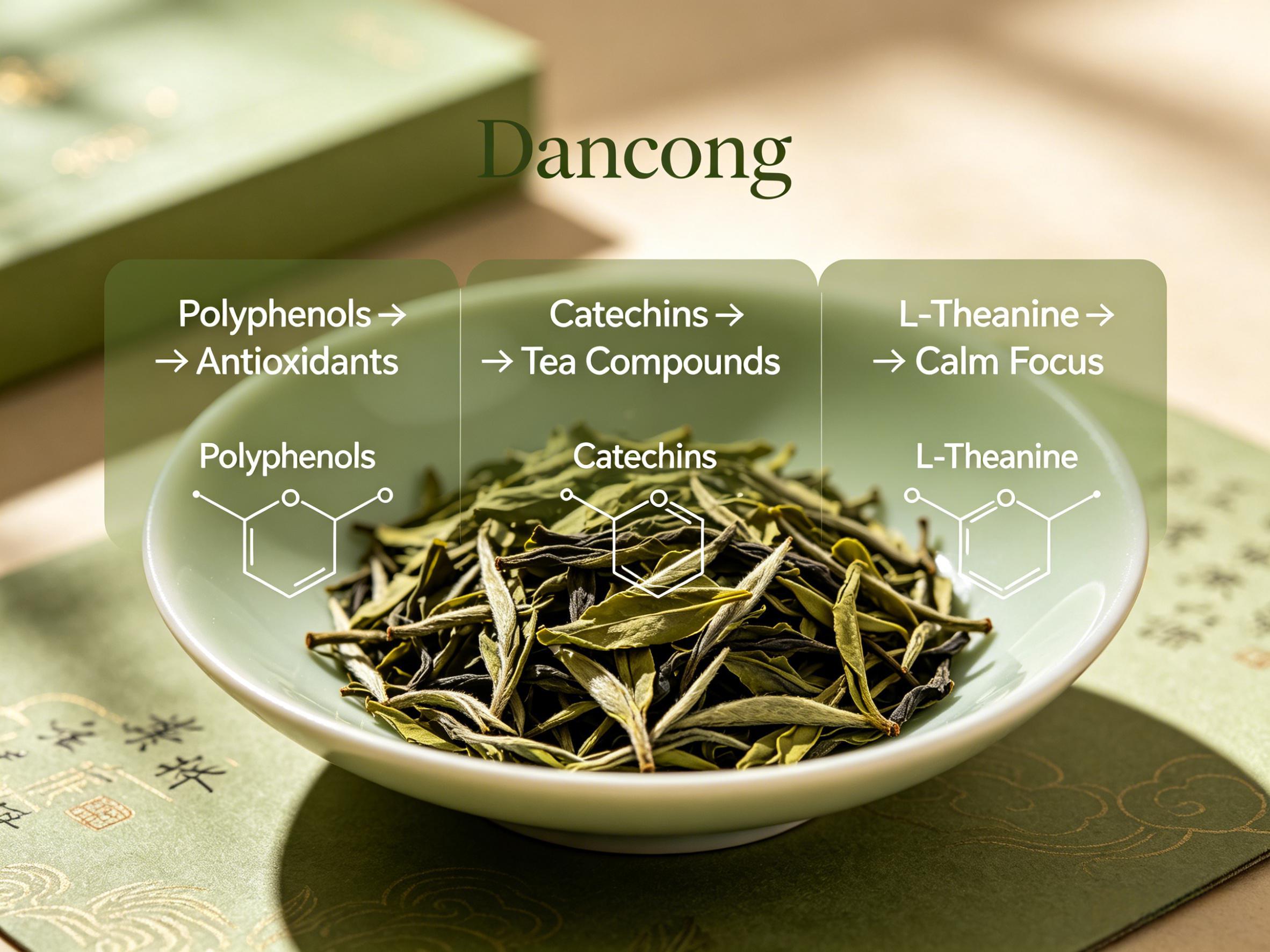
Dancong tea contains several natural compounds that may support general health. These compounds develop through the tea plant itself and through the partial oxidation process used to produce oolong tea.
Key components include:
- Polyphenols:Polyphenols are plant compounds known for their antioxidant properties. Tea is one of the richest natural sources of dietary polyphenols, and scientific studies continue to explore tea polyphenol health benefits related to antioxidant activity and overall wellness.
- Catechins:Catechins are a group of antioxidants found in many teas. Although green tea contains the highest levels, oolong teas like Dancong still retain meaningful amounts.
- L-theanine:L-theanine is an amino acid unique to tea. It is often associated with calm focus and balanced mental alertness.
These compounds work together to shape both flavor and potential wellness effects. If you want to experience how these compounds release through brewing, see how to brew dancong tea.
Antioxidant Benefits of Dancong Tea
Polyphenols in tea can help neutralize free radicals, which are unstable molecules linked to oxidative stress.
Research published on PubMed suggests that tea flavonoids act as effective antioxidants and may increase the body’s antioxidant capacity after consumption.
Because Dancong is a partially oxidized tea, it sits between green and black tea in terms of polyphenol composition, which may influence both its flavor and functional properties
Dancong Tea and Metabolism
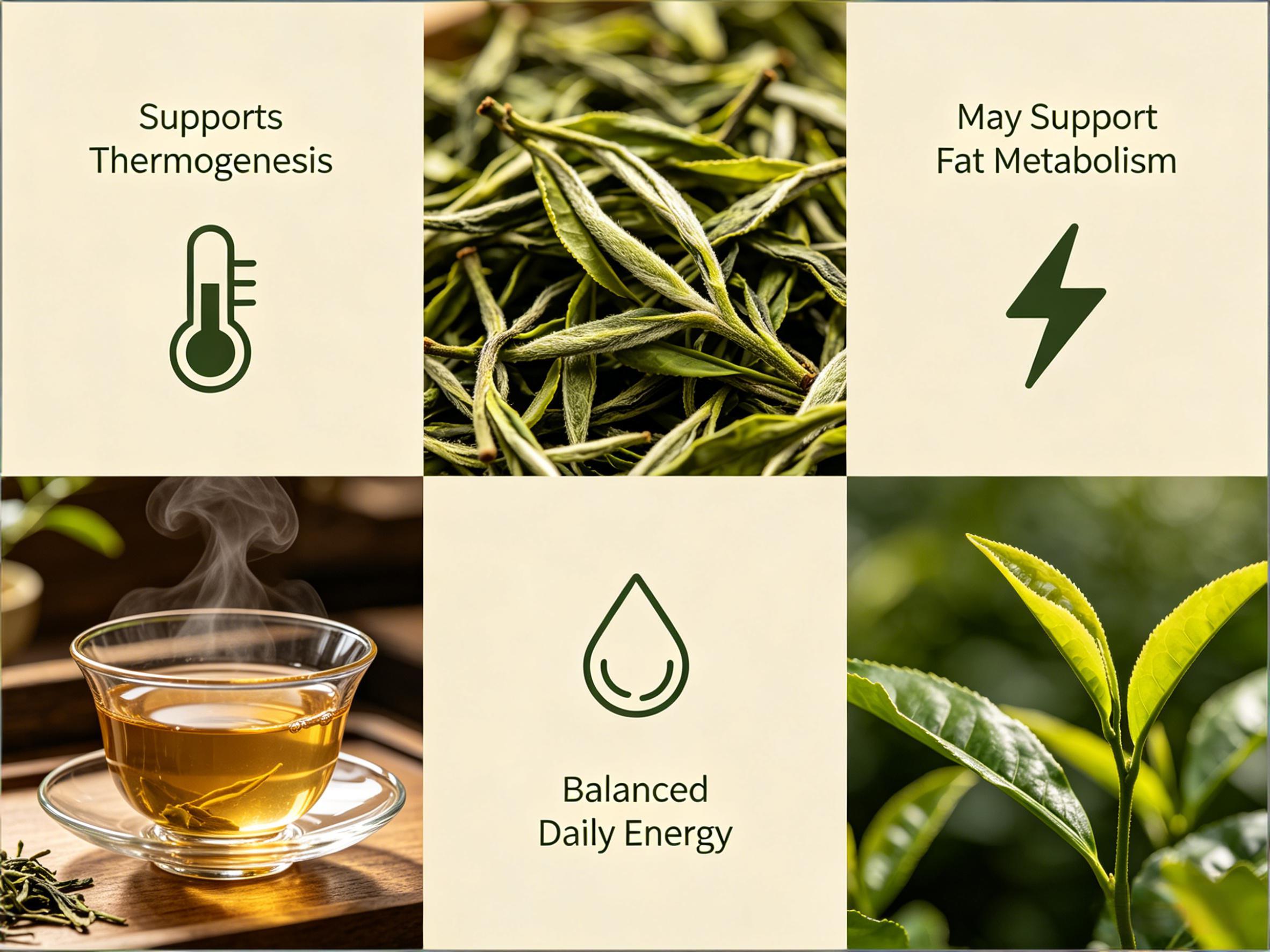
Tea polyphenols are commonly linked to metabolic processes such as fat oxidation and energy expenditure. While green tea is often highlighted, oolong tea has also drawn attention for its unique role in supporting these functions.
- Thermogenic Support: Oolong tea may stimulate thermogenesis, the process of heat production that aids in burning calories.
- Metabolic Influence: Specialized oolong tea metabolism research indicates that specific tea compounds may directly assist in fat metabolism.
- The Dancong Connection: As a premium oolong, Dancong likely shares these properties, even as cultivar-specific research continues to grow.
Quick Tip: To see the best results, enjoy tea as a natural complement to a balanced, healthy lifestyle rather than a singular weight-loss fix.
Mental Clarity and Focus Benefits
Many tea drinkers report that oolong tea provides a calm but alert feeling. This effect may be linked to the interaction between caffeine and L-theanine.
Caffeine can increase alertness and concentration. L-theanine may help promote relaxation without causing drowsiness.
When these two compounds appear together, they may support:
- improved focus
- smoother energy levels
- reduced jitteriness compared with coffee
Dancong tea contains moderate caffeine levels.making it a popular choice for focus and daily energy—learn more about dancong tea caffeine.
Heart Health and Dancong Tea
Tea consumption has been associated with several potential cardiovascular benefits in population studies.
PubMed studies suggest that regular tea consumption may help:
- healthy cholesterol balance
- improved blood vessel function
- reduced oxidative stress in the cardiovascular system
These effects are largely linked to specific bioactive compounds in tea, particularly catechins such as epigallocatechin gallate (EGCG). These compounds are known to support endothelial function by promoting nitric oxide activity, which plays an important role in maintaining normal blood vessel relaxation and circulation.
It is important to note that these benefits are typically associated with long-term dietary patterns, not a single beverage alone.
My Experience Drinking Dancong Tea Daily
Growing up around Chaozhou tea culture, I have always seen Phoenix Dancong as more than just a tea. It is part of daily life — often enjoyed after meals, during conversations, or simply as a quiet moment to slow down.
In my own experience, Dancong is especially enjoyable after rich meals because its floral aroma and clean finish help refresh the palate. Compared with stronger drinks, a carefully brewed cup of Dancong feels gentle and balanced, making it easy to enjoy as part of a daily tea routine.
What I appreciate most about Dancong is not only its flavor, but also the experience around it. The natural orchid, honey, and fruity aromas create a calming tea moment, reminding me that traditional tea culture is not only about drinking tea, but also about finding a little peace in everyday life.
How Much Dancong Tea Should You Drink?
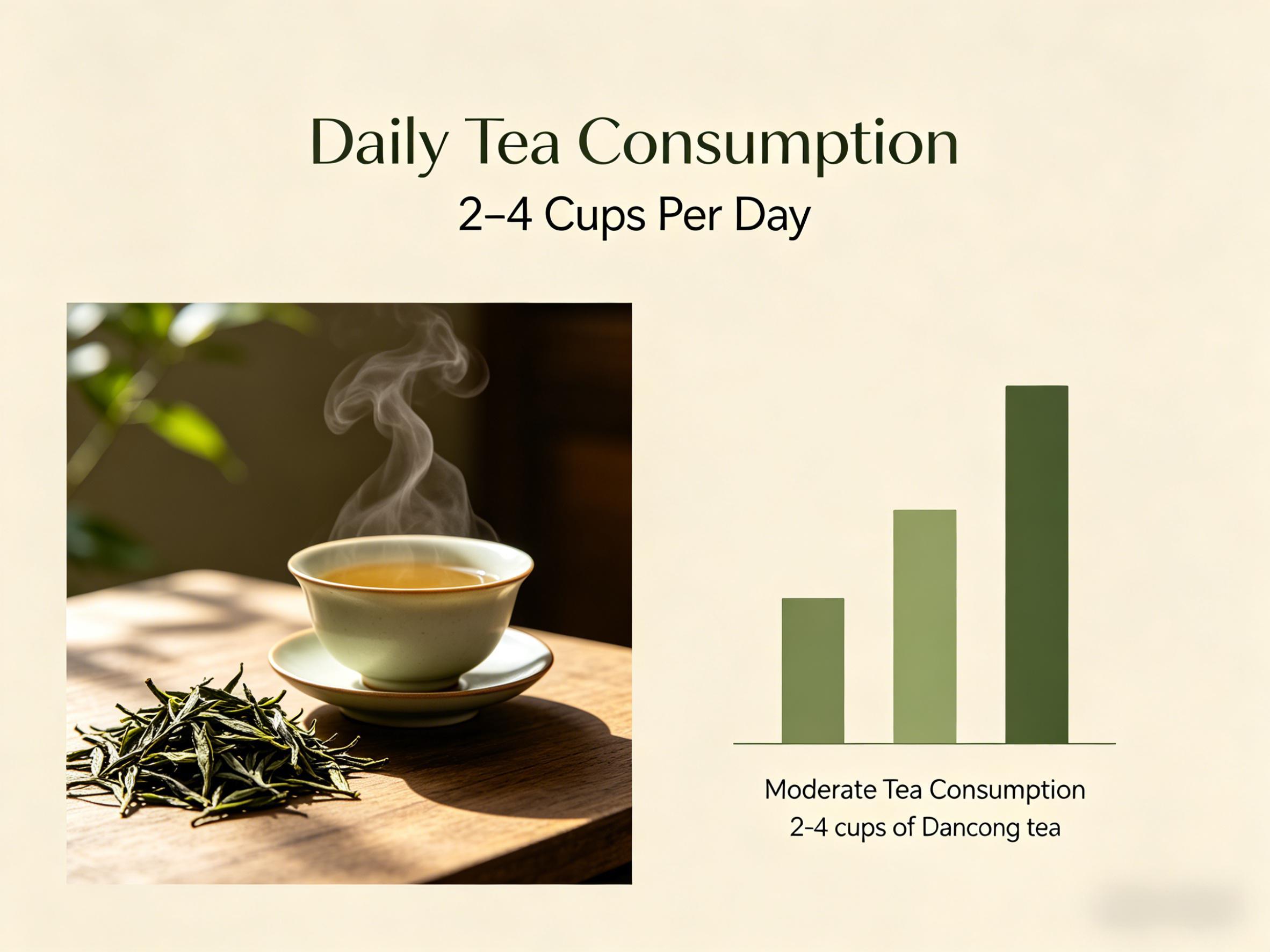
For most healthy adults, moderate tea consumption is generally considered safe.
Many tea drinkers enjoy 2 to 4 cups per day. This amount provides flavor and potential benefits without excessive caffeine intake.
Frequently Asked Questions
Does Dancong tea contain caffeine?
Yes. Dancong tea naturally contains caffeine because it comes from the tea plant. However, the caffeine level is usually lower than coffee.
Is Dancong tea good for digestion?
Many tea drinkers enjoy oolong tea after meals. Some people feel it creates a light and comfortable sensation after eating, although scientific evidence remains limited.
Is Dancong tea healthier than green tea?
Both teas contain beneficial compounds. Green tea often contains higher catechin levels, while oolong tea offers a balanced profile created by partial oxidation.
Green tea may be preferred by people looking for higher catechin intake and a lighter, fresher taste.
Dancong tea is often enjoyed by those who prefer aromatic complexity and a smoother balance between green and black tea characteristics.
Can I drink Dancong tea every day?
Yes. Many people drink oolong tea daily as part of a regular tea routine. Moderation is recommended due to caffeine content.
How do I choose a good Dancong tea brand?
Quality can vary depending on origin, processing, and storage. If you are comparing options, you can read a dofo tea review to better understand product quality and user experienc


