
Best Loose Leaf Tea Brands: How to Choose Quality Loose Leaf Tea for Daily Use
liujiehangAuthor: Xu Jiahua, Nationally Certified Senior Tea Appraiser
Loose leaf tea often feels like an upgrade from tea bags, with larger leaves, clearer aroma, and more layered flavor. Still, quality varies based on sourcing, handling, and brand standards.
This guide will look at the best loose leaf tea brands out there, what sets the top-notch ones apart and how to pick one that suits your daily routine.
Before You Choose a Brand: Why Loose Leaf Tea Feels Different
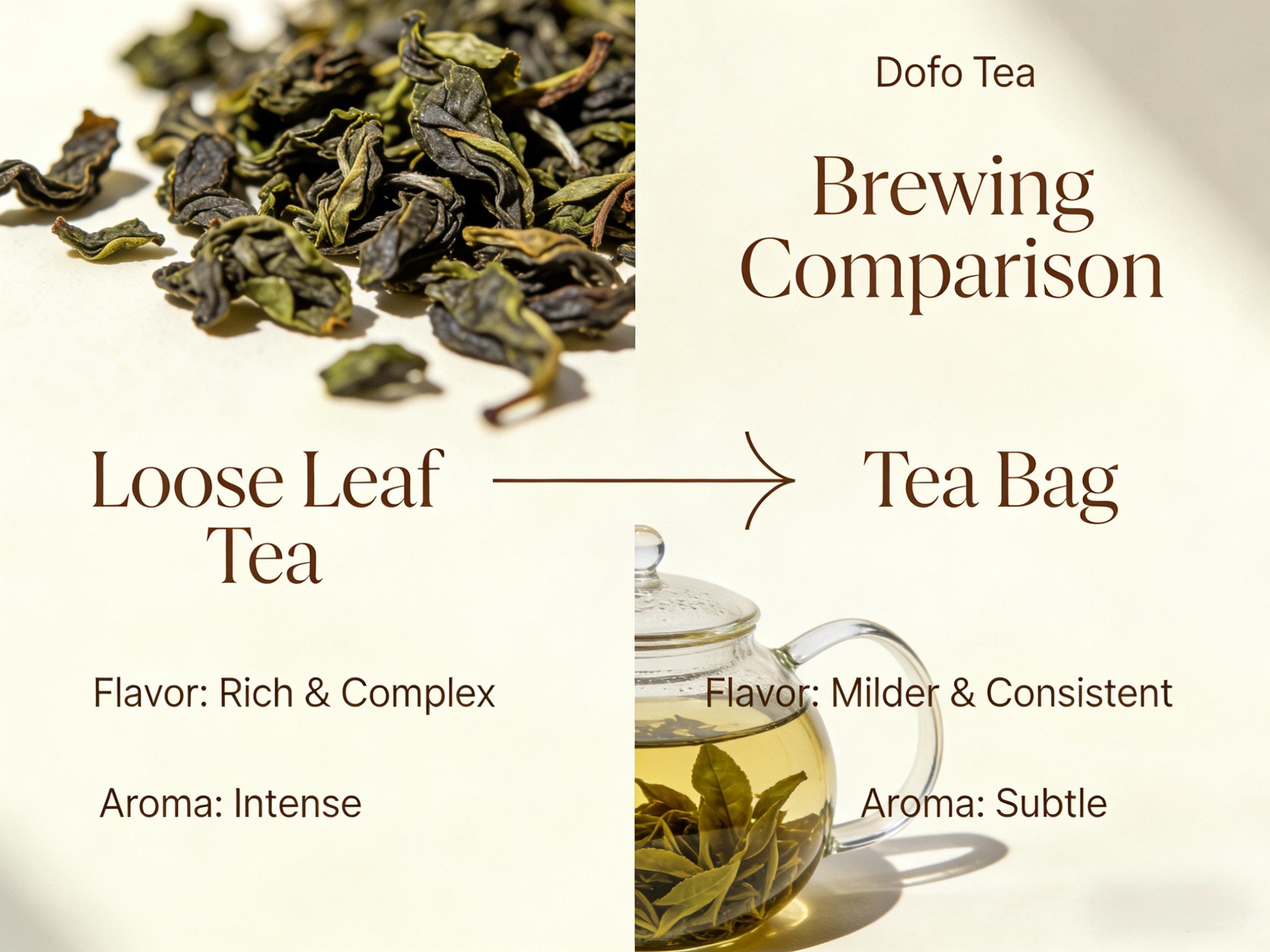
Loose leaf tea behaves totally differently in the cup. When you brew loose leaves, they get to unfurl properly, releasing the flavour in stages rather than all at once.
This means you get:
- More control over how strong your tea is
- The option to re-steep it multiple times
- A smoother, cleaner taste that's not bitter
Because the leaves stay intact, quality matters more. Well-made tea highlights natural sweetness and aroma, while lower-quality tea may rely on heavy flavoring or uneven roasting.
What Is Loose Leaf Tea and Why Brand Quality Matters
Loose leaf tea uses whole or nearly whole leaves that aren't stuck in a tea bag. Compared to bagged tea which can contain broken-up bits or dust, it does a way better job of preserving the original form of the leaf.
All traditional teas—green, black, oolong, and white—come from the Camellia sinensis plant. As noted by Encyclopaedia Britannica, processing and leaf handling strongly shape aroma and flavor, making brand quality especially important for loose leaf tea.
Strong brands focus on:
- Carefully choosing the leaves they use
- Not mucking about with oxidation or leaving them to sit around for a bit
- Storing them in a clean, dry place
- Protecting them from moisture and light
Poor handling can flatten flavor or introduce harshness. With loose leaf tea, small details are noticeable in every cup.
How to Choose the Best Loose Leaf Tea Brands for Daily Use
Tea Origin and Transparency
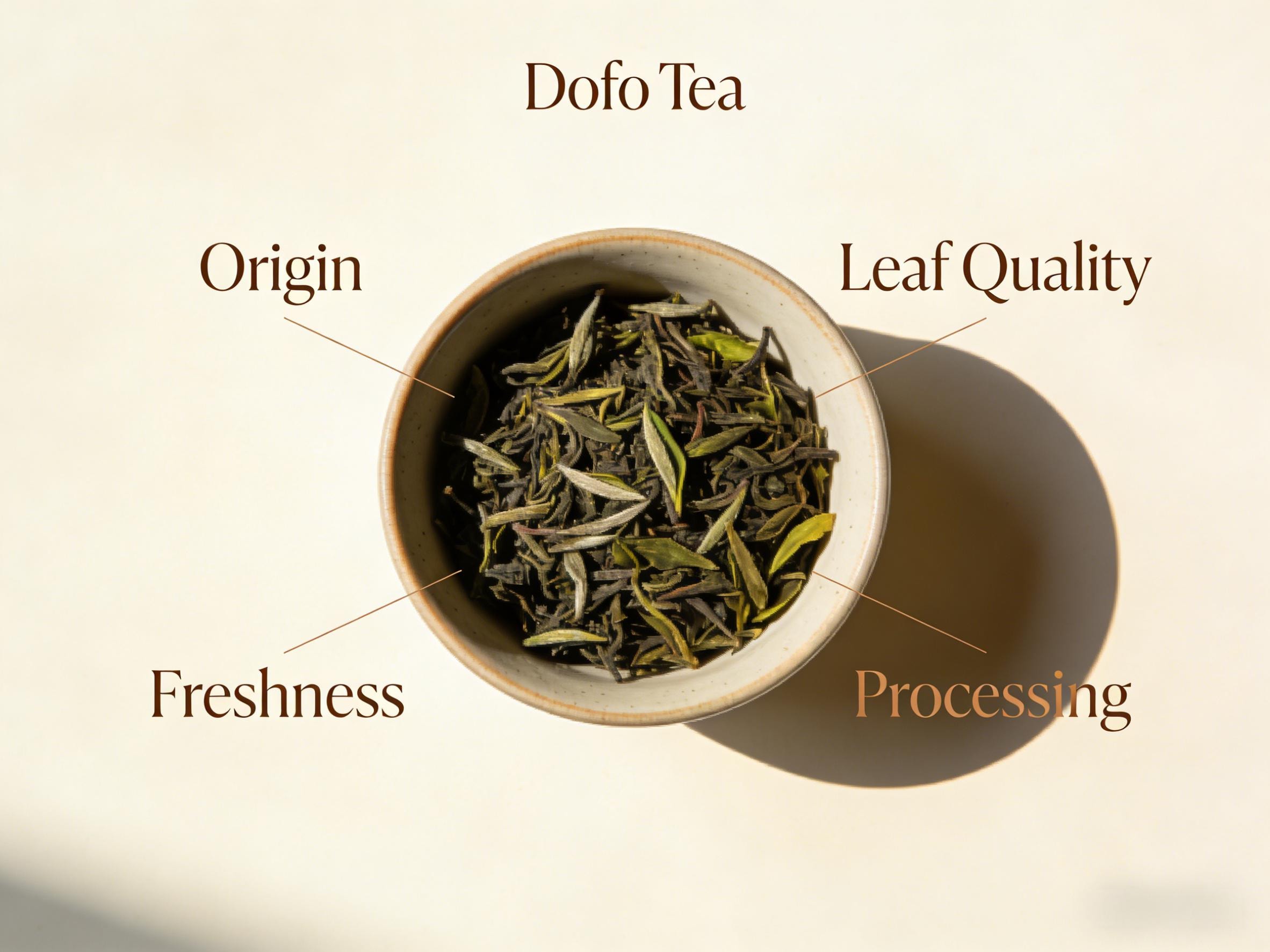
Reputable brands usually state where their tea is grown. Regions in China, Japan, India, and Taiwan are especially known for distinct tea styles. Clear origin details often signal closer relationships with growers and better quality control.
Leaf Grade and Appearance
Whole, twisted, or tightly rolled leaves often indicate careful processing. Leaves should look relatively uniform in size and color. Excess dust or broken fragments can suggest lower-grade material.
And when you brew it, the good leaves should just unfurl and look nice and intact.
Freshness and Storage
Loose leaf tea is super-sensitive to air, moisture and light. You want a brand that packs it up in good quality, sealed bags that are dark enough to keep the light out. And if they're making small batches, that's a good sign they're looking after the quality.
Processing Style and Flavor Integrity
How a brand processes their tea matters a lot. Some teas want to be steamed, while others need to be pan-fired or roasted just right. If a brand is just trying to hide the natural flavor with additives, you're probably going to get a bit of an unbalanced cup.
Popular Loose Leaf Tea Types and What They Offer
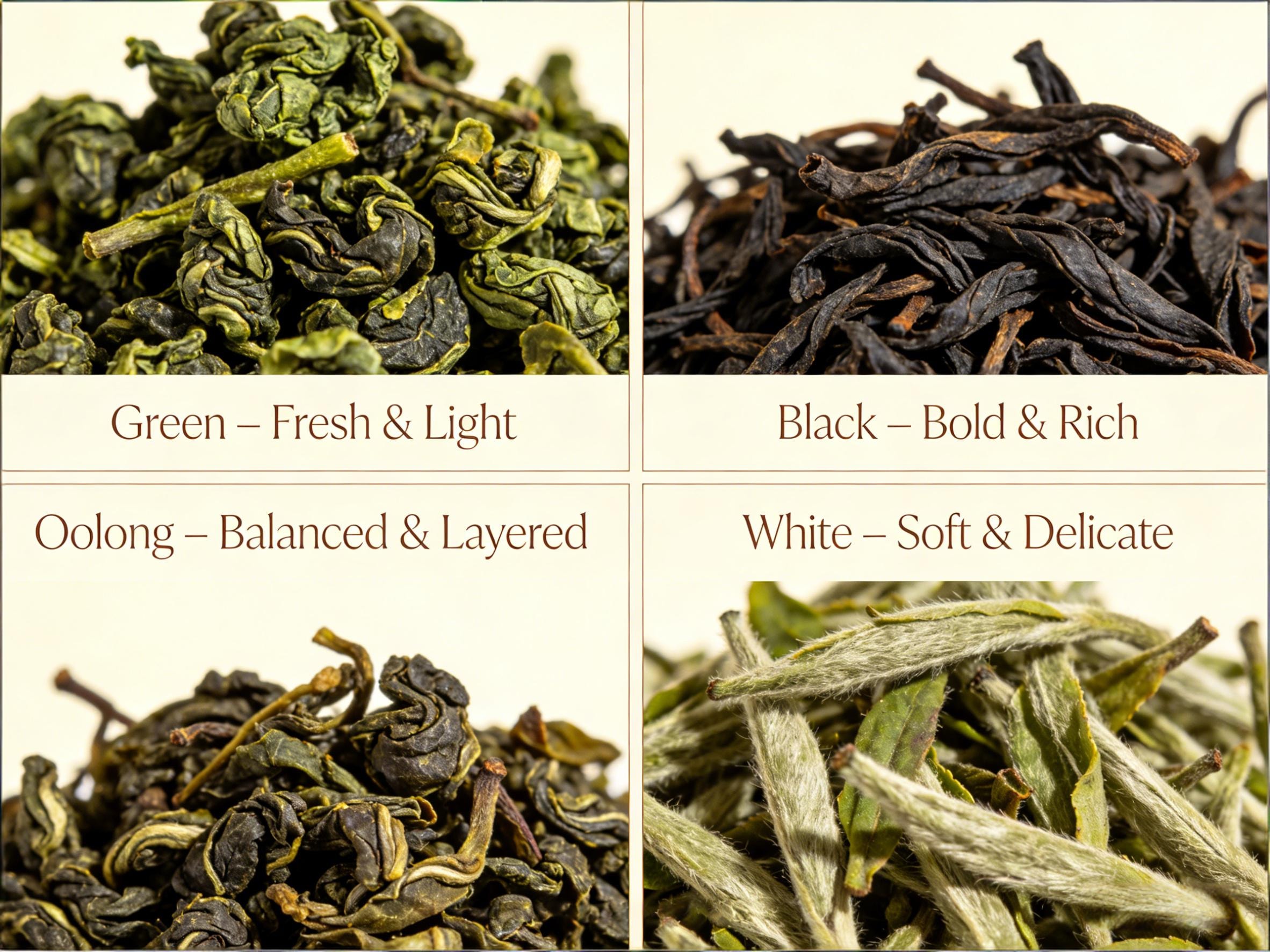
Loose leaf tea spans many styles. Each offers a different experience:
|
Tea Type |
Flavor Profile |
Best For |
|
Green Tea |
Fresh, grassy, light sweetness |
Morning or light daily drinking |
|
Black Tea |
Rich, bold, full-bodied |
Breakfast or stronger tea lovers |
|
Oolong Tea |
Balanced, layered, sometimes floral or roasted |
Slow brewing sessions |
|
White Tea |
Soft, delicate, subtle sweetness |
Low-intensity, relaxed moments |
|
Herbal Tea |
Caffeine-free, aromatic |
Evening or winding down |
Choosing the right brand often depends on which style you enjoy most.
Top Loose Leaf Tea Brands Worth Knowing (and What Each Does Best)
Rather than searching for one perfect option, it often helps to understand what each brand does well.
Dofo Tea — Best for Clean, Single-Origin Loose Leaf Tea
Dofo Tea focuses on single-origin loose leaf teas with minimal processing. The emphasis is on preserving the leaf’s natural character rather than blending or heavy flavoring.
Pros:
- They're totally transparent about where they source their leaves
- Their teas have a super balanced, low-bitterness flavor
- They do everything in small batches to ensure quality
Great for: People who just want a nice, calm cup of tea without all the fuss.
Rishi Tea — Best for Organic Loose Leaf Options
Rishi Tea has got a great name for being an organic, sustainably sourced tea brand.
Pros:
- They have loads of certified organic options to choose from
- They're always on the ball with modern packaging
- They have a huge selection of loose leaf teas
Limitations:Some offerings focus more on blends than pure single-origin teas.
Best for: Consumers prioritizing organic sourcing.
Harney & Sons — Best for Variety and Accessibility
Harney & Sons offers an extensive catalog, including loose leaf classics and flavored blends.
Pros:
- You can find their teas almost anywhere
- They've got loads of options to choose from
- It's perfect for people who are just starting out with loose leaf tea
Limitations:Some teas are blends rather than region-specific loose leaf.
Best for: Folks who like having loads of options at their disposal.
Vahdam — Best for Freshness and Direct Sourcing
Vahdam emphasizes direct-from-origin sourcing, particularly from India.
Pros:
- Fresh packaging
- Strong transparency in sourcing
- Good black and specialty teas
Limitations: Flavor profiles may lean bold rather than subtle.
Best for: Folks who like having loads of options at their disposal
How to Brew Loose Leaf Tea to Get the Best Flavor
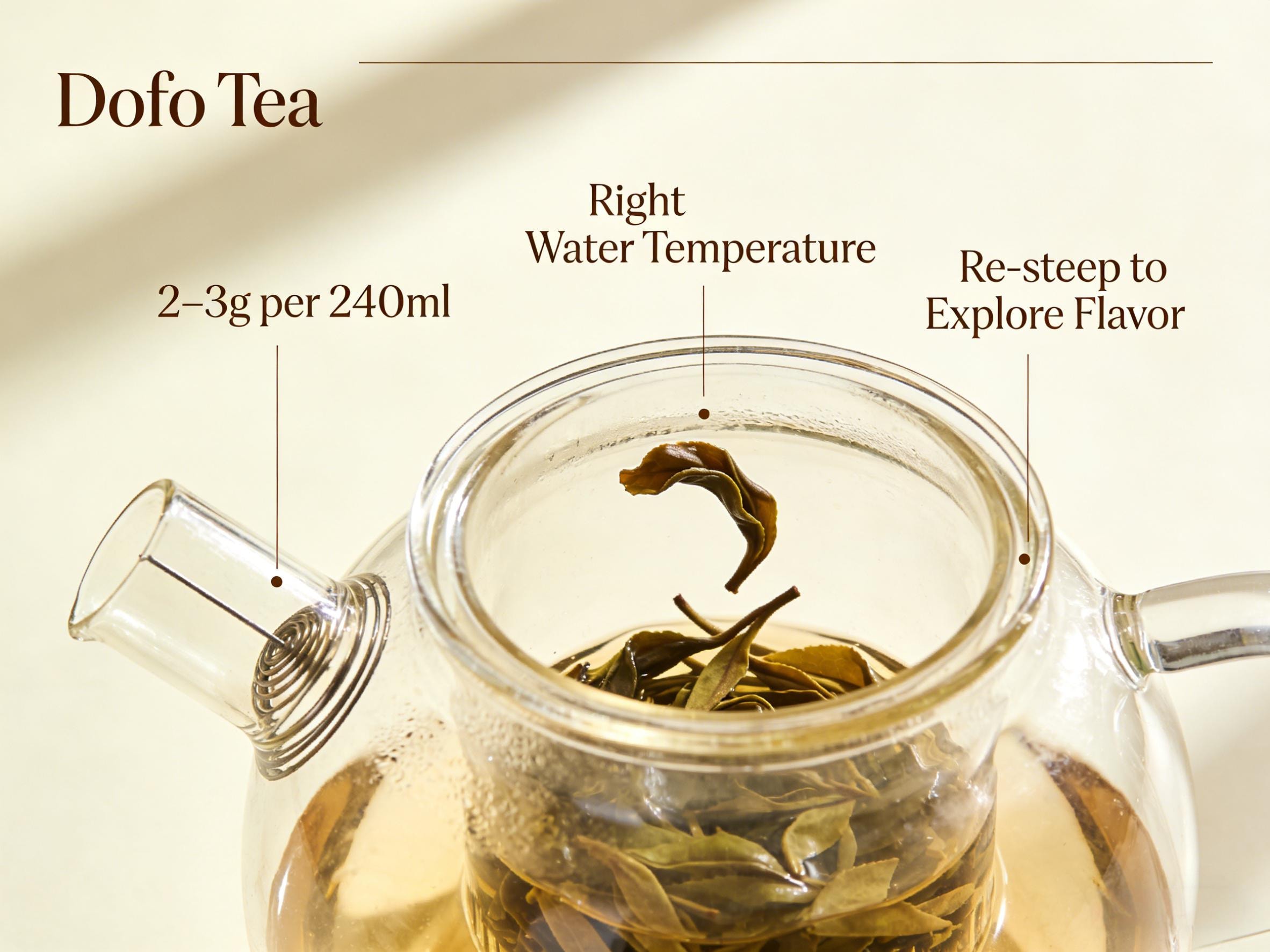
Even the best loose leaf tea brands depend on proper brewing.
- Use water temperature suited to the tea type (lower for green and white, higher for black and some oolong)
- Start with about 2–3 grams per 8 oz (240 ml) of water
- Keep steeping time moderate to avoid bitterness
- Re-steep high-quality leaves to explore evolving flavors
Gentle brewing allows the tea’s natural structure to unfold gradually, highlighting clarity instead of sharpness.
FAQ: Loose Leaf Tea Questions People Ask
Is loose leaf tea better than tea bags?
Loose leaf tea often offers better flavor clarity and multiple infusions. Tea bags are more convenient, but they may use smaller leaf particles.
How much loose leaf tea should I use per cup?
A common starting point is about 2–3 grams per 8 ounces of water. Adjust based on taste preference and tea type.
What is the best loose leaf tea for beginners?
Light green tea, medium oolong, or smooth black tea are often approachable starting points. Balanced flavor and low bitterness make the learning process easier.
How should loose leaf tea be stored?
Store tea in an airtight, opaque container away from heat, moisture, and strong odors. Proper storage helps preserve aroma and freshness
Explore Dofo Tea’s Clean, Single-Origin Loose Leaf Teas
At Dofo Tea, loose leaf tea begins with origin and simplicity. Carefully sourced leaves, minimal processing, and proper storage preserve natural flavor without excess intensity.
Whether you enjoy fresh green tea in the morning or balanced oolong in the afternoon, a well-crafted loose leaf tea can gently elevate your daily routine—one cup at a time.